

Self Care Week runs from 16 to 22 November 2026. Here are small, realistic daily habits for food, movement, sleep and connection, drawn from NHS advice, that can support how you feel through the winter.

Self Care Week runs from 16 to 22 November 2026. Here are small, realistic daily habits for food, movement, sleep and connection, drawn from NHS advice, that can support how you feel through the winter.
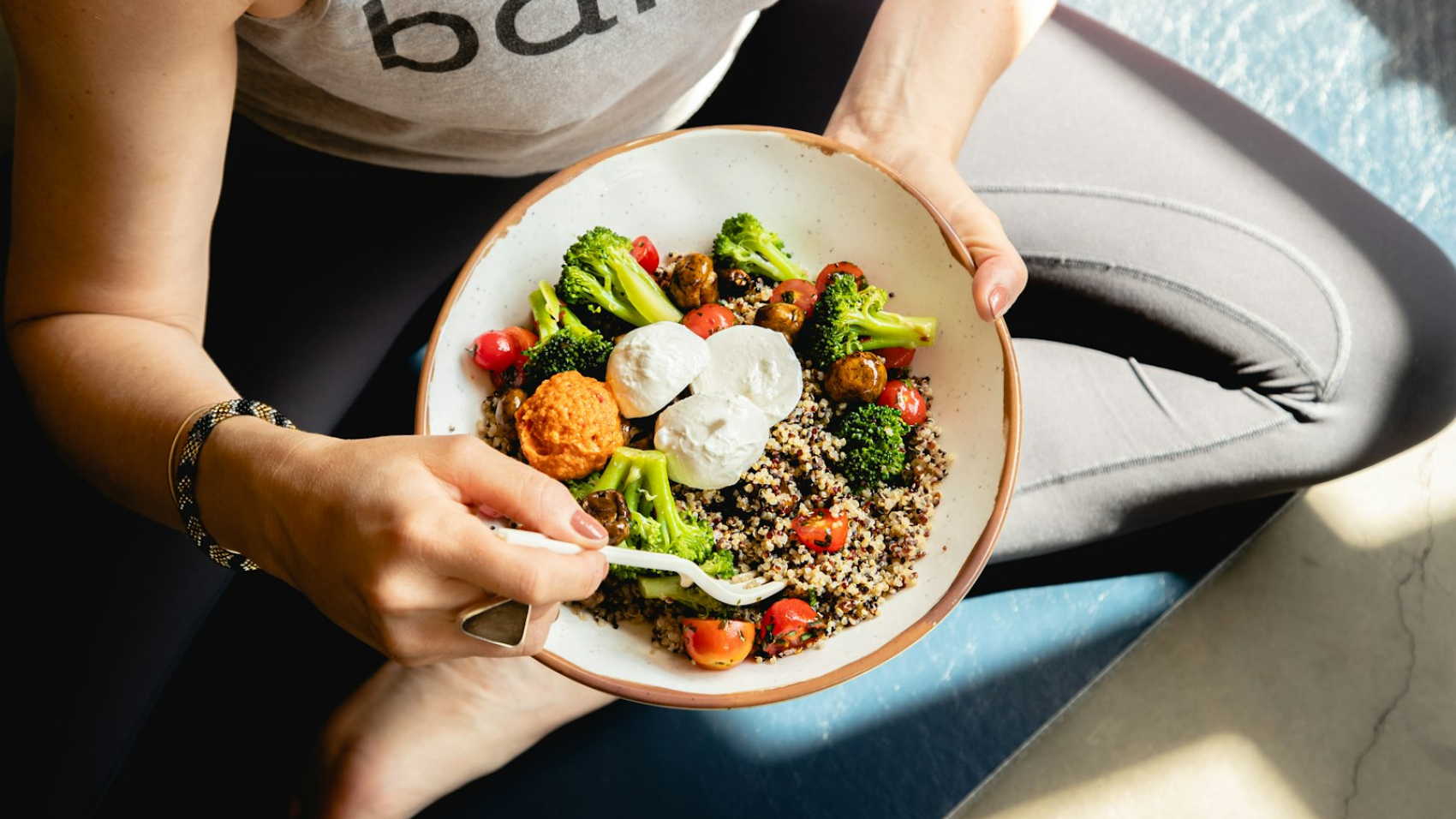
For World Diabetes Day we have gathered the everyday healthy eating advice from the NHS and Diabetes UK that can help keep blood sugar steadier. If you live with diabetes, your own care team’s advice always comes first.
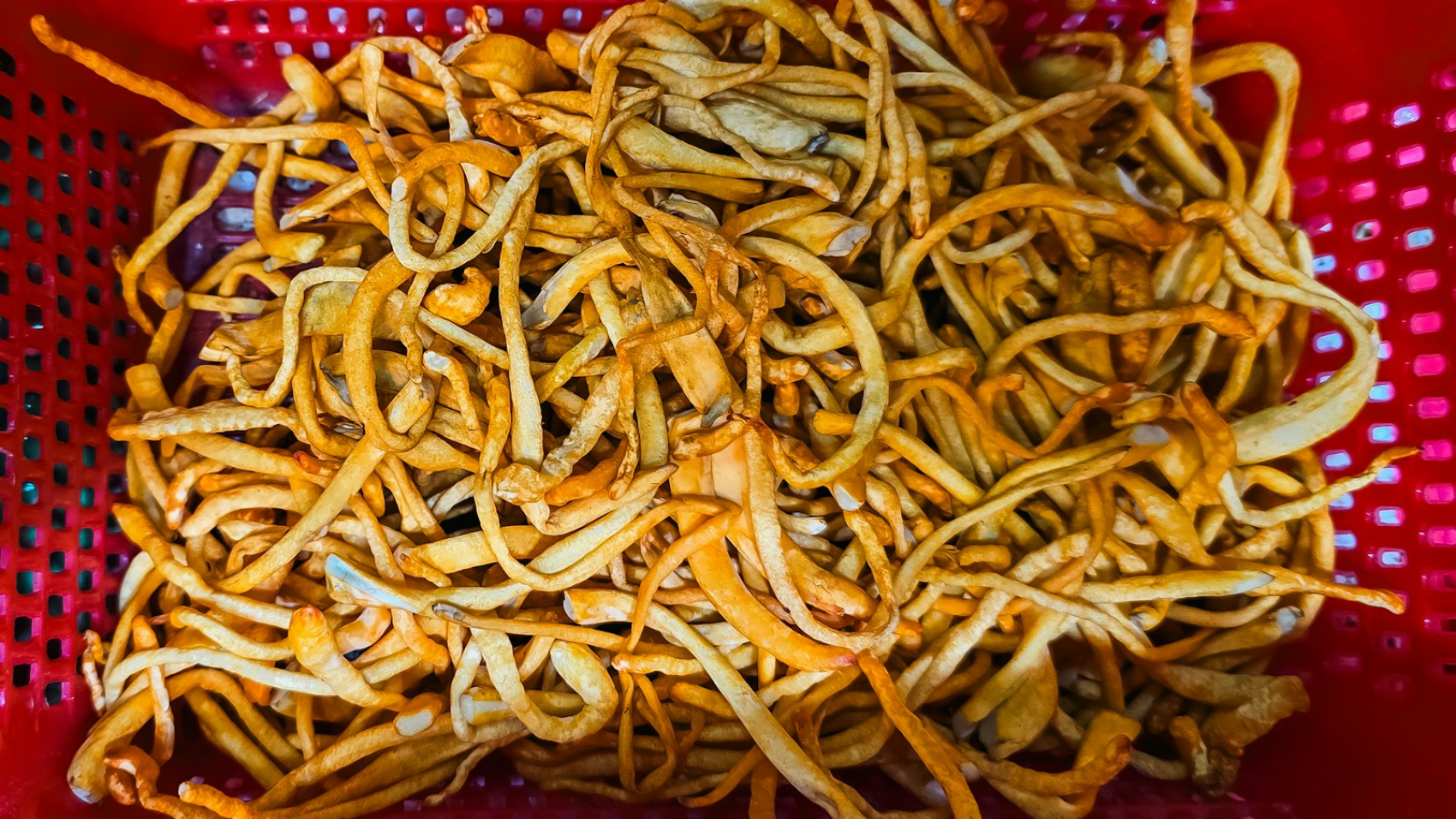
Cordyceps has been prized in Tibetan and Chinese medicine for centuries and is now popular with people interested in energy and exercise. Here is what the human studies actually show, what is still lab research, and how to use it sensibly.

From October to early March, the UK sun is too weak for our skin to make vitamin D. Here is what the NHS recommends, where to find it in food, and who should consider a daily supplement all year.
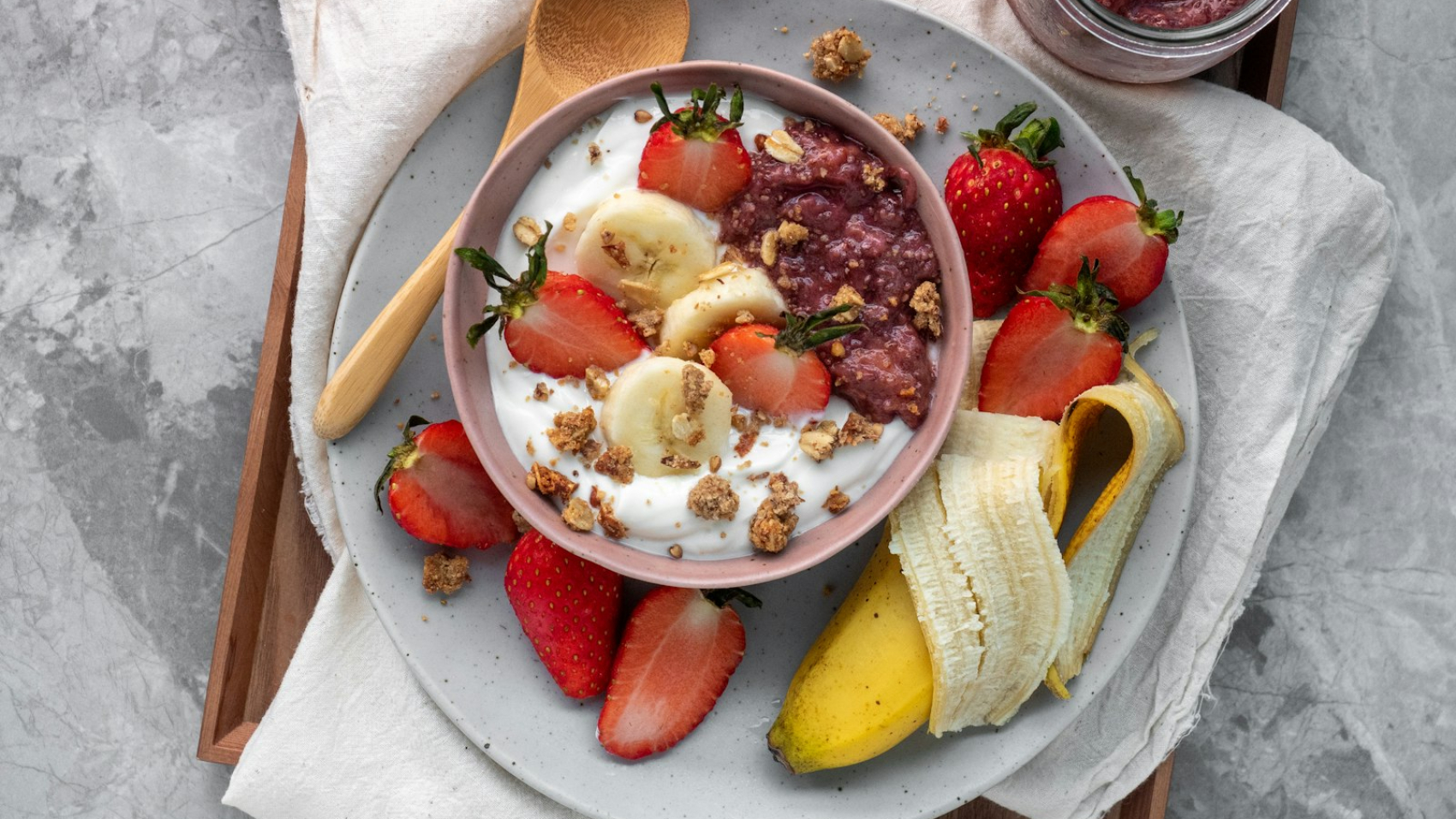
Prebiotics or probiotics? One adds friendly microbes to your gut, the other feeds them. Here is the simple difference, the best food sources of each, why you will not see the word ‘probiotic’ on UK yoghurt labels, and whether you really need a supplement.
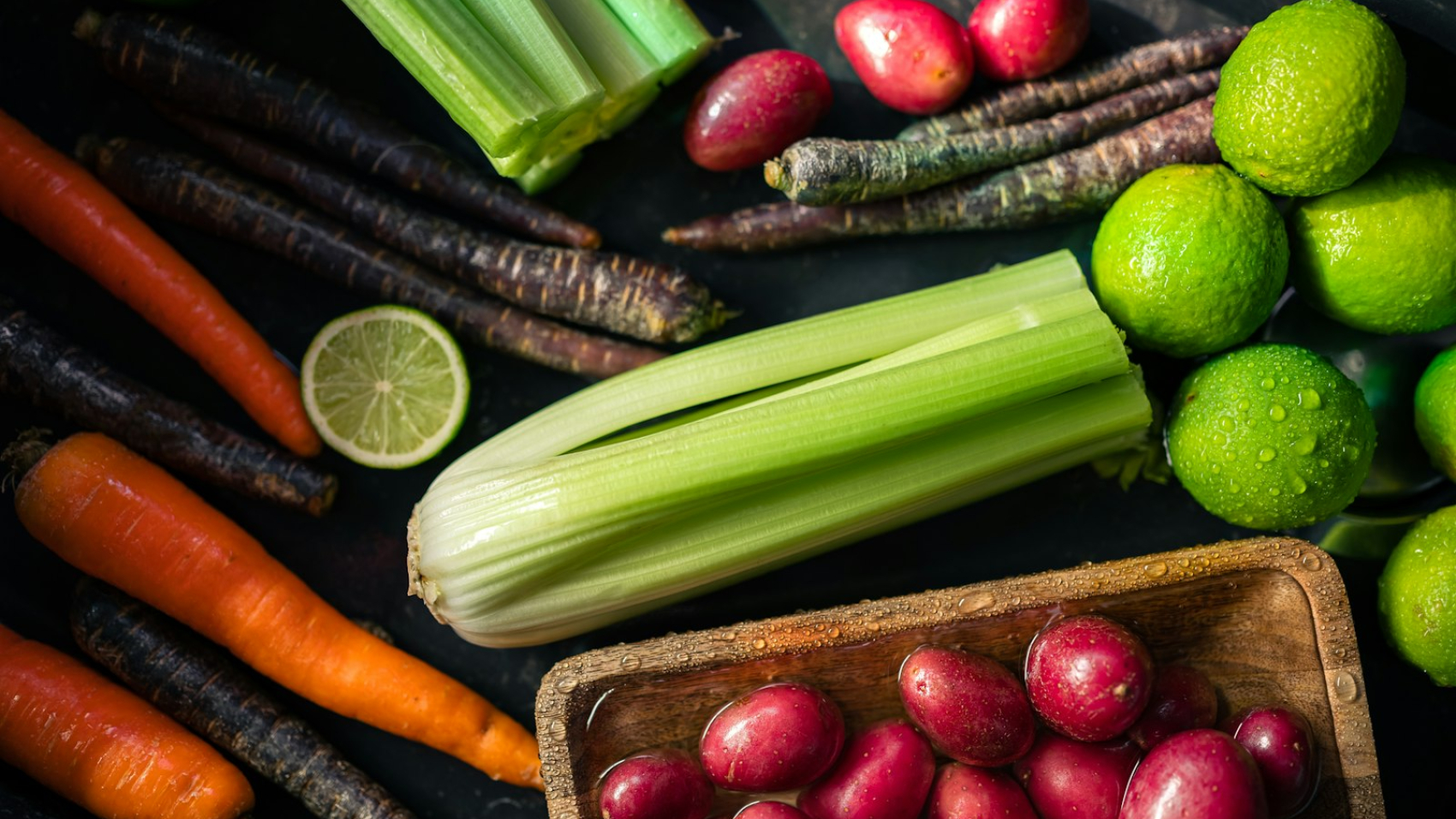
Want to improve your gut health? Here are 10 simple, science-backed steps, from eating 30 plants a week to the foods your gut bacteria love most, plus the signs of an unhappy gut and when to see your GP.

A clear, science-led guide to menopause: what perimenopause really is, the symptoms nobody warns you about, the women who broke the silence, and how nutrition, lifestyle and traditional herbal wisdom can support you through every stage.

How does what you eat affect how you feel? A science-led guide to mental health and nutrition: the gut-brain axis, mood-supporting nutrients, what celebrities have taught us about speaking up, and how traditional Chinese herbal wisdom fits in.

Integrating TCM with Modern Wellness Trends
Estimated read time: 7 minutes
Why wellness and TCM speak the same language
The modern wellness movement has reshaped how people think about health. It’s no longer just about avoiding illness, but about living with balance, energy and clarity. Traditional Chinese Medicine (TCM), with its focus on harmony, prevention and the interconnectedness of body and mind, aligns naturally with these values.

Acupuncture in the age of holistic health
Acupuncture has become one of the most recognised “alternative” therapies in the UK. Beyond managing pain, many people now seek it for stress relief, better sleep, and overall wellbeing. This matches the wellness industry’s emphasis on mind–body therapies and personalised health.

Herbal medicine and functional nutrition
Wellness seekers are increasingly turning to plant-based supplements, superfoods and adaptogens. Chinese herbal medicine offers a time-tested parallel. Whether through THR-marked over-the-counter products or practitioner-prescribed formulas, TCM herbal approaches connect directly with modern interest in natural, functional nutrition.

Movement therapies and mindfulness
Tai chi and qigong, long-standing pillars of TCM, fit seamlessly alongside yoga and meditation in today’s wellness landscape. Both practices cultivate mindfulness, reduce stress, and improve posture, balance and flexibility — making them a valuable complement to Western wellness trends.

The UK’s growing appetite for alternative medicine
Searches for “alternative medicine UK” and “holistic health” continue to rise. More people are seeking therapies that support mental health, immunity and lifestyle balance. TCM contributes by offering a holistic model where prevention, diet, movement and therapy work together.
What integration means for practitioners and patients
For practitioners, integrating TCM with wellness trends means speaking the language of today’s health-conscious consumer: balance, sustainability, mindfulness, resilience. For patients, it means more accessible, relatable ways to engage with TCM — from acupuncture sessions for stress, to herbal teas for daily wellness, to tai chi classes for mindful movement.
The opportunity lies in positioning TCM not as an “alternative” but as a partner in holistic living.

FAQs
How does TCM fit into modern wellness?
By aligning with holistic practices like yoga, meditation and functional nutrition, TCM supports balance and preventative health.
Why is acupuncture popular in wellness culture?
Because it offers stress relief, pain management, and improved sleep — all central wellness goals.
Can herbal medicine be part of a wellness routine?
Yes. Many people use herbal teas, supplements and adaptogens daily, reflecting TCM’s long tradition of food and herbs as medicine.
Is TCM considered alternative medicine in the UK?
Yes, but its growing recognition in guidelines (e.g. acupuncture for chronic pain) and consumer interest places it closer to mainstream integrative health.
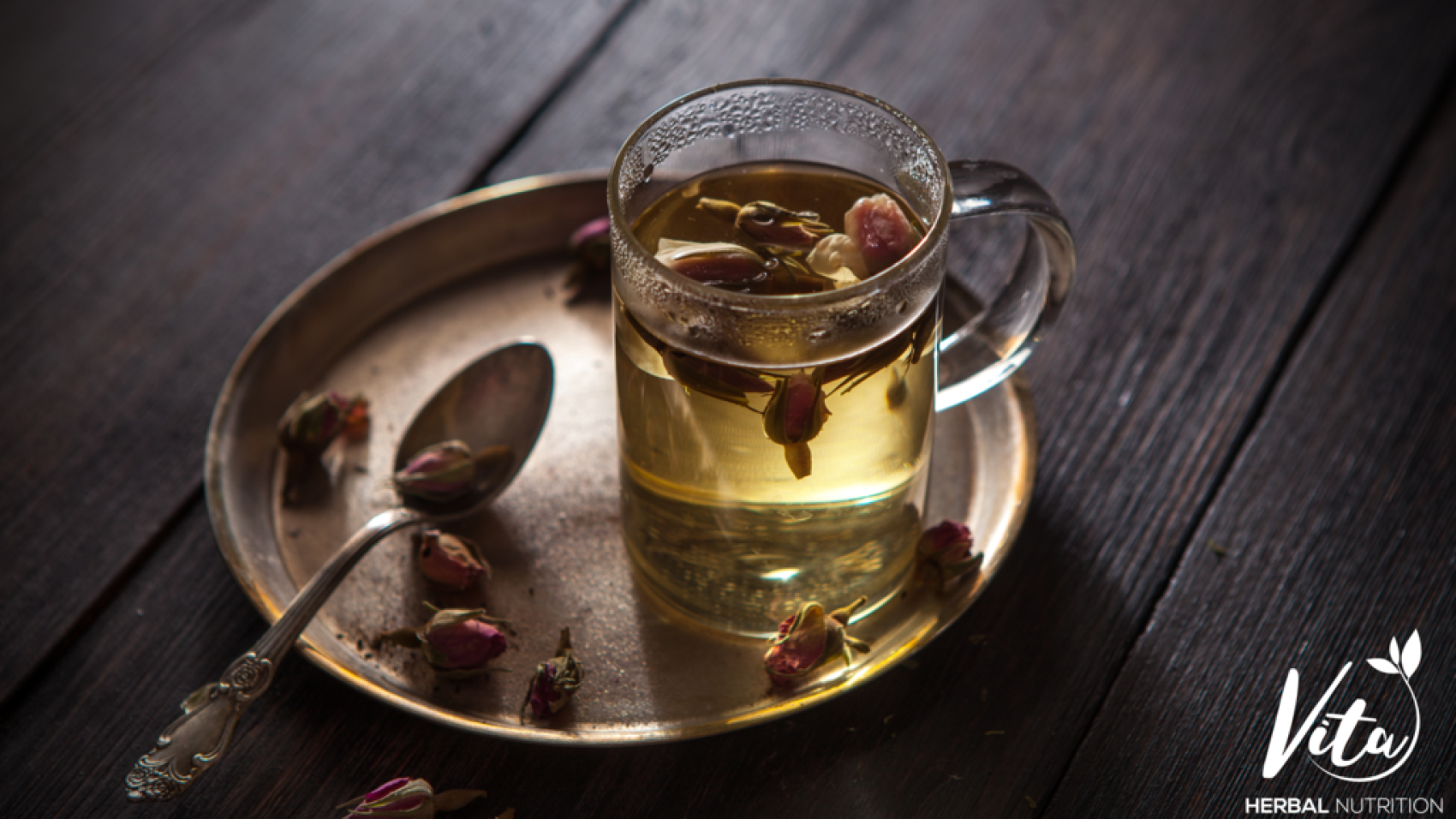
A lot of our products work great in a tea. It is possibly the tastiest way to consume your herbs – and it’s super easy! Depending on what you’re trying to treat, the teas can be adapted to your preference and taste.
A lot of our products work great in a tea. It is possibly the tastiest way to consume your herbs – and it’s super easy! Depending on what you’re trying to treat, the teas can be adapted to your preference and taste.
Dried flowers work best in a nice hot cup of tea. Here is how we use our favourite flowers:
Rosebud tea:

Simply use 2 tablespoons of our dried rosebuds.
Pop them in a cup and add boiling water.
Let it brew for 20 minutes – the longer the steep, the more beneficial the effects of the tea.
Flavour with a bit of honey and enjoy!
Honeysuckle Iced tea:

Cover 2 tablespoons of dried honeysuckle flowers with boiling water.
Give it a good stir and let it steep at room temperature for several hours.
Then refrigerate overnight.
Strain the flowers from the water.
Serve cold over ice with a mint spring and enjoy!
Chinese Chrysanthemum tea:

Rinse a small handful of chrysanthemum flowers and goji berries under cool water.
Put the ingredients in a teacup or teapot and pour in boiling water.
Allow steeping for 10 minutes – stir in sugar to taste.
Drink and enjoy!
Ginger tea:

Break up or grate the dried ginger.
Place in a large mug or jug and add boiling water.
Allow to brew for around 10 minutes.
Strain the liquid into another cup and sweetener to taste.
You may wish to add a squeeze of lemon or orange.
Sip and enjoy!
Winter Warmer:

Place a couple of jujube dates in a cup, along with a small handful of goji berries and longan fruit.
Fill the cup up with boiling water and allow a few minutes to brew.
Once you drink the tea, you will instantly feel warmed up!
When the tea is all gone, snack on the dates and longan fruit and enjoy the sweet taste, filled with goodness!
Reishi Mushroom tea:

Take 1-2 large slices of reishi mushroom and place them in a saucepan of water on the stove.
Let the water boil for at least 15 minutes.
Strain the tea and drink!
You are more than welcome to try some of our other products in a tantalising tea, such as turmeric, lotus leaf and mulberry leaf. Be sure to check out our ‘Brew Your Own’ range to be inspired for your next cuppa. Now, let’s go put the kettle on!