

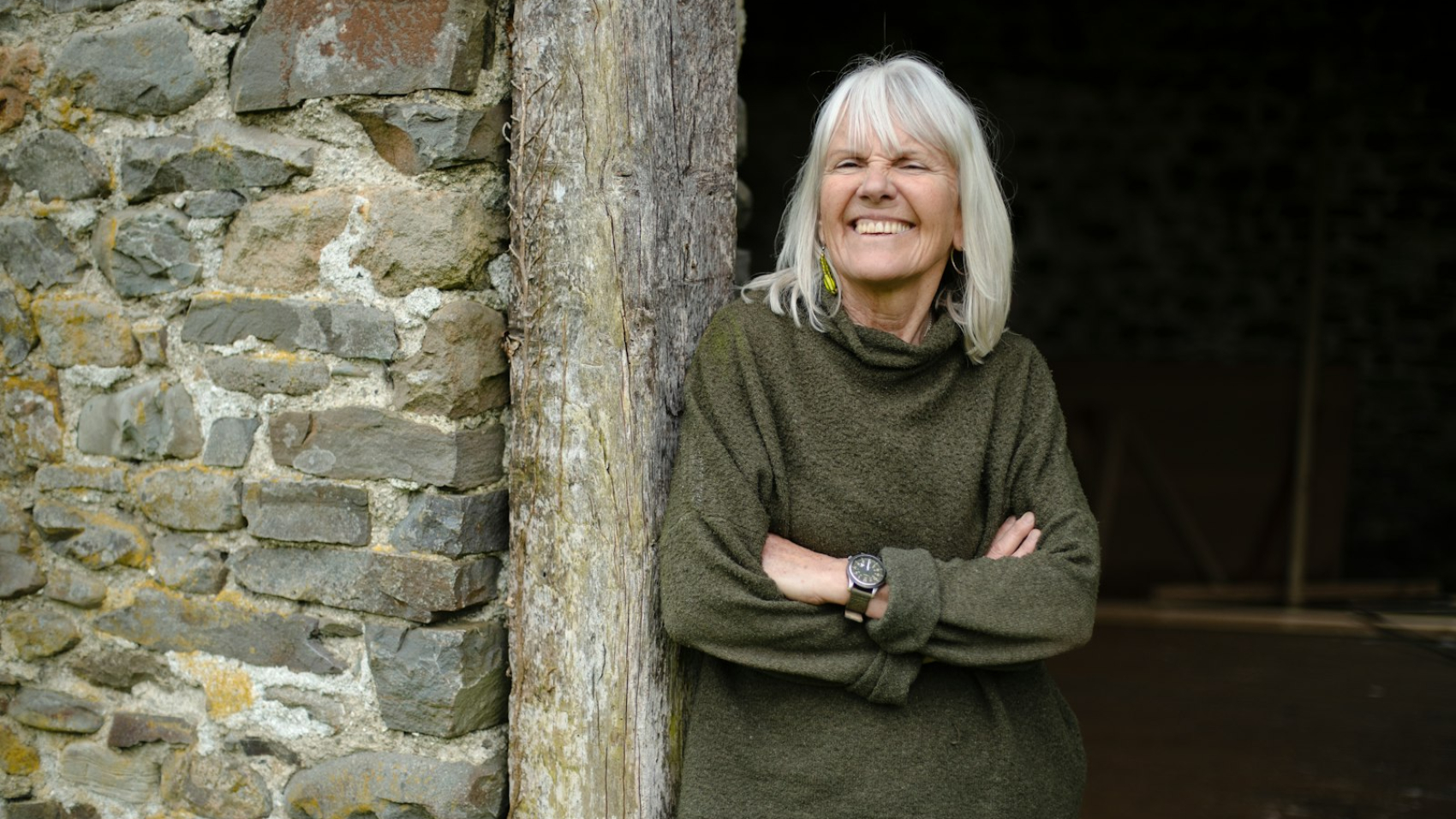
Menopause is a natural stage of life when a woman’s periods stop for good because the ovaries produce less oestrogen. It is officially reached 12 months after your last period, but the changes often begin years earlier. Every woman will go through it, yet for generations it was rarely talked about. This guide explains what is really happening in your body, the symptoms to look out for, and how medical care, nutrition, lifestyle and traditional herbal wisdom can help you feel like yourself again.
Key takeaways
- In the UK, the average age of menopause is 51, and around 1 in 100 women reach it before the age of 40.
- Perimenopause, the years leading up to menopause, often begins in your mid-40s and can bring symptoms long before periods stop.
- Symptoms go far beyond hot flushes, from brain fog and anxiety to joint aches and poor sleep.
- One in ten women who worked through menopause left a job because of their symptoms, according to the Fawcett Society.
- HRT is the most effective treatment for many women, and diet, exercise and herbal traditions can offer extra support.
Perimenopause, menopause and postmenopause explained
Menopause is not a single moment but a transition with three stages:
- Perimenopause: the years when hormone levels rise and fall unpredictably. Periods may become irregular, heavier or lighter, and symptoms often start here, usually from around the mid-40s.
- Menopause: the point at which you have gone 12 consecutive months without a period. The NHS says this usually happens between 45 and 55.
- Postmenopause: the years that follow. Some symptoms ease, but lower oestrogen has long-term effects on bones, heart and vaginal health.
Menopause can also happen earlier. Around 1 in 100 women experience it before 40, known as premature ovarian insufficiency, and it can follow surgery to remove the ovaries or some cancer treatments.
The symptoms nobody warns you about
Hot flushes and night sweats are the best-known signs, but falling oestrogen affects almost every system in the body. Common symptoms include:
- Hot flushes, night sweats and heart palpitations
- Difficulty sleeping and daytime fatigue
- Brain fog, forgetfulness and trouble concentrating
- Low mood, anxiety, irritability and loss of confidence
- Joint and muscle aches
- Vaginal dryness, discomfort and urinary changes
- Irregular periods, dry skin and thinning hair
Symptoms usually last around four years after the final period, though some women experience them for much longer. Because mood changes are so common, menopause is closely tied to mental wellbeing; our guide to mental health and nutrition covers the food and mood connection in more depth.
The women who broke the silence
Much of the recent change in how we talk about menopause has come from public figures willing to share their own stories.
Davina McCall
Her 2021 Channel 4 documentary, Sex, Myths and the Menopause, sparked a national conversation in the UK and was followed by her bestselling book, Menopausing.
Naomi Watts
The actress was told she was in perimenopause at just 36 while trying to start a family. She later founded Stripes, a brand dedicated to menopause, to help other women feel less alone.
Michelle Obama
The former First Lady spoke candidly on her podcast about having hot flushes, encouraging women to stop hiding what their bodies are going through.
Halle Berry
After being misdiagnosed during perimenopause, the Oscar winner became an outspoken advocate, calling for the shame to be taken out of menopause and for more research funding.
Mariella Frostrup
The broadcaster co-founded the Menopause Mandate campaign, pushing for better education, diagnosis and access to treatment across the UK.
Menopause at work
Menopause most often arrives when women are at the peak of their careers. A 2022 Fawcett Society report, described as the largest representative survey of menopausal women in the UK, found that one in ten women who had worked during menopause had left a job because of their symptoms. Eight in ten said their employer had not shared information, trained staff or put a menopause policy in place. Simple adjustments such as flexible hours, a desk fan, access to cool water and an understanding manager can make a real difference.
“Menopause is not an ending. With the right support, it can be the start of a confident, healthy new chapter.”
Medical treatment: what are the options?
Hormone replacement therapy (HRT) replaces the oestrogen your body is no longer making, usually with progestogen if you still have a womb. It is available as tablets, patches, gels and sprays, and the NHS considers it the most effective treatment for hot flushes and night sweats. For most women, the benefits outweigh the risks, but the right choice depends on your health history, so it is a conversation to have with your GP. Other options include vaginal oestrogen for dryness, non-hormonal medicines and cognitive behavioural therapy (CBT), which can help with mood, sleep and flushes.
Eating well through menopause
Food cannot replace oestrogen, but a nourishing diet protects the bones, heart and brain at a time when they need it most.
- Calcium and vitamin D: bone loss speeds up after menopause. Dairy or fortified alternatives, tinned fish with bones, tofu and leafy greens provide calcium, and the NHS advises everyone to consider a 10 microgram vitamin D supplement in autumn and winter.
- Protein: eggs, fish, beans, lentils and tofu help maintain muscle, which naturally declines with age.
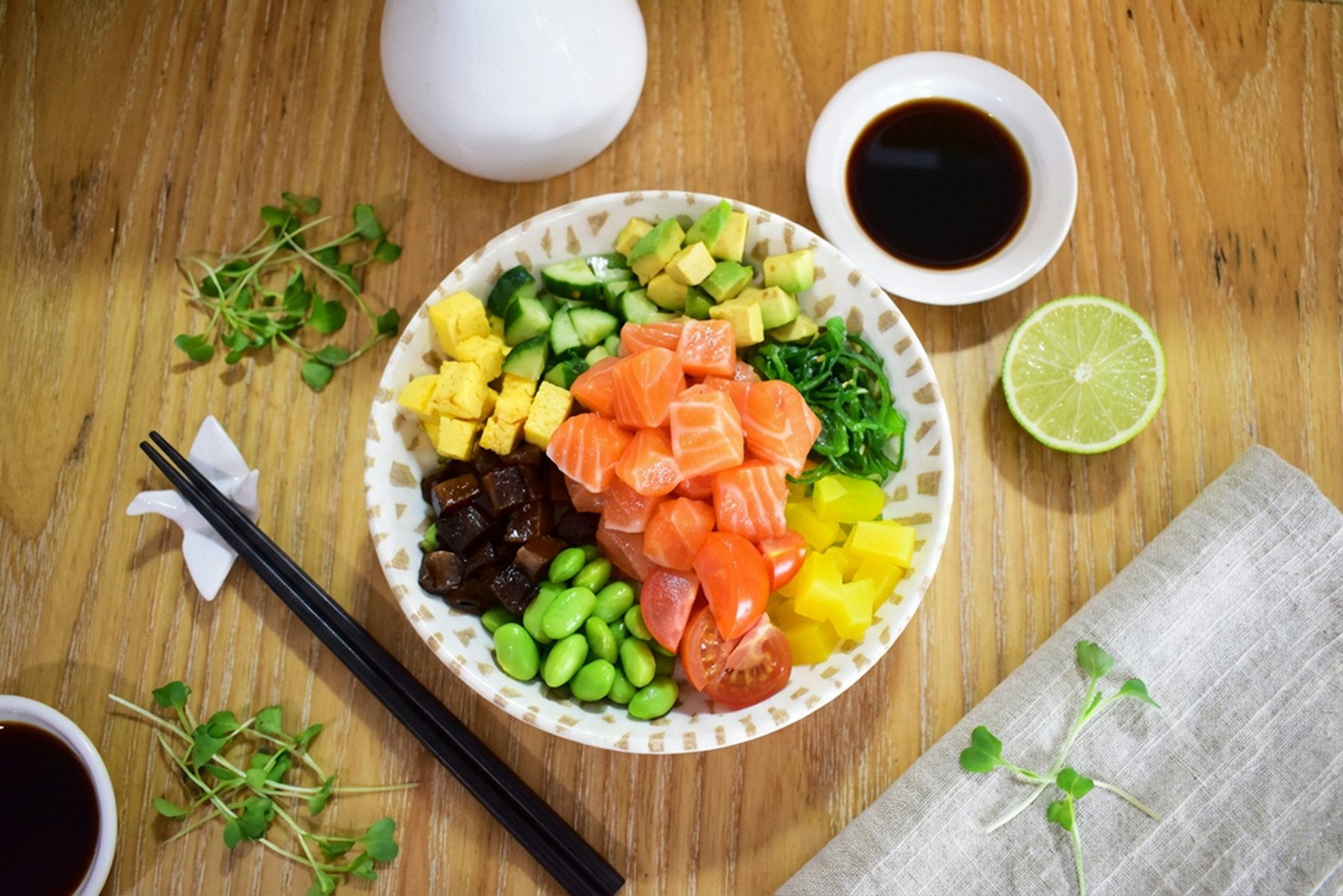
- Phytoestrogens: plant compounds in soya, edamame, chickpeas and flaxseed have a weak oestrogen-like effect, and some women find they help with flushes.
- Omega-3 fats: oily fish such as salmon and sardines support heart and brain health.
- Fibre and whole grains: help steady blood sugar and energy, and support a healthy weight.
Many women notice that alcohol, caffeine, spicy food and sugary snacks trigger flushes or disturb sleep. Keeping a simple symptom diary is an easy way to spot your own triggers.
Menopause through the lens of traditional Chinese medicine
Traditional Chinese medicine (TCM) has described this life stage for more than two thousand years. Classical texts link it to the natural decline of Kidney essence, the energy believed to govern growth, fertility and ageing. When the cooling, nourishing yin aspect becomes depleted, TCM practitioners see signs of internal ‘heat’: hot flushes, night sweats, restlessness and poor sleep.
Classical formulas such as Liu Wei Di Huang Wan have traditionally been used to nourish yin, while gentle food-herbs like goji berries (Gou Qi Zi), Chinese yam (Shan Yao), black sesame seeds and jujube dates feature in calming teas, soups and congees. Reishi mushroom has long been valued in Chinese tradition for calm and restful sleep.
Within the Phoenix NutriScience family, Vita Herbal Nutrition offers culinary Chinese herbs for everyday cooking, Aura Nutrition creates functional herbal teas, and Mycology Nutrition specialises in organic medicinal mushrooms. We see herbs as part of a balanced lifestyle, not as a replacement for medical treatment. Some herbs have hormone-like effects or interact with medicines, so speak to your GP or pharmacist before using herbal products if you take HRT or other medication, or if you have a history of breast cancer or another hormone-sensitive condition.
Seven habits that make a real difference
- Lift something heavy: strength and weight-bearing exercise, from resistance bands to brisk walking, helps protect bones and muscle.
- Keep cool at night: a cooler bedroom, breathable bedding and layers you can remove can ease night sweats.
- Protect your sleep: keep regular bed and wake times and wind down without screens.
- Train your pelvic floor: a few minutes a day helps prevent leaks and supports intimate health.
- Manage stress: breathing exercises, yoga or tai chi can help settle a busy mind. Many women also find comfort in a simple evening ritual, such as a caffeine-free cup from Aura Nutrition, whose functional teas are made from 100% plant-based ingredients inspired by traditional Chinese herbal remedies.
- Stay connected: talking to friends, family or a menopause support group reduces isolation.
- Track and talk: note your symptoms and take the list to your GP; it makes the conversation quicker and clearer.

When to speak to your GP
- Your symptoms are affecting your daily life, work, relationships or mood.
- You have menopausal symptoms before the age of 45.
- You have any vaginal bleeding after your periods have stopped for 12 months. This should always be checked promptly.
- You are struggling with low mood or anxiety. If you ever feel unable to cope, call Samaritans free on 116 123.
Trusted information is also available from the NHS and Women’s Health Concern, the patient arm of the British Menopause Society.
Frequently asked questions
What is the difference between perimenopause and menopause?
Perimenopause is the transition, when hormone levels fluctuate and symptoms often begin while you still have periods. Menopause is the point when you have had no period for 12 months in a row. In the UK this happens at an average age of 51.
How do I know if I am in perimenopause?
Irregular periods combined with symptoms such as hot flushes, poor sleep, brain fog or mood changes in your 40s are common signs. If you are over 45, a GP can usually diagnose perimenopause from your symptoms alone without a blood test.
How long do menopause symptoms last?
Symptoms usually continue for around four years after your last period, but every woman is different and some experience symptoms for much longer.
Is HRT safe?
For most women, the benefits of HRT outweigh the risks, and the NHS describes it as the most effective treatment for hot flushes and night sweats. The right type and dose depend on your personal and family health history, so discuss it with your GP.
Which foods help with menopause?
Calcium-rich foods, protein, oily fish, whole grains, fruit, vegetables and phytoestrogen foods such as soya and flaxseed all support health during menopause. Limiting alcohol, caffeine and spicy food may reduce flushes for some women.
Can herbal remedies help with menopause?
Traditional herbal approaches, including those from Chinese medicine, have long been used to support women through this stage, and some women find them helpful alongside a healthy lifestyle. Herbs can interact with medicines and are not suitable for everyone, so always check with your GP or pharmacist first.
Can menopause affect mental health?
Yes. Fluctuating hormones can contribute to anxiety, low mood, irritability and poor concentration. These symptoms are common and treatable, so speak to your GP if they are affecting your life.
The bottom line
Menopause is a natural chapter, not an illness, but that does not mean you should simply put up with symptoms that affect your life. Understanding what is happening, eating well, staying active, drawing on time-honoured herbal wisdom and speaking openly with your doctor can all help you move through this transition with confidence. As Davina McCall, Naomi Watts and so many others have shown, the more we talk about menopause, the easier it becomes for every woman who follows.
Sources
- NHS. Menopause.
- Fawcett Society (2022). Menopause and the Workplace.
- NICE. Menopause: identification and management (NG23).
- Women’s Health Concern. Factsheets on menopause.
This article is for educational purposes only and is not medical advice. Always consult a qualified healthcare professional about your health.