

Mental health is the state of our emotional, psychological and social wellbeing: how we think, feel, cope with stress and connect with others. It is shaped by genetics, life events, relationships and sleep, but a growing body of research shows that what we eat matters too. This guide explains the science of food and mood, the habits that support a calmer mind, and how traditional herbal wisdom fits alongside modern care.
Key takeaways
- More than 1 billion people worldwide live with a mental health condition, according to the World Health Organization.
- In the landmark SMILES trial, 32% of people with depression who improved their diet reached remission, compared with 8% in the control group.
- Roughly 90% of the body’s serotonin is made in the gut, one reason scientists study the gut–brain axis.
- Omega-3 fats, B vitamins, vitamin D, magnesium and fibre are among the nutrients most linked with mood.
- Food and herbs can support wellbeing, but they are not a replacement for professional mental health care.
Why mental health matters more than ever
In September 2025 the World Health Organization reported that more than one billion people are living with a mental health condition, with anxiety and depression the most common. These conditions are now the second biggest cause of long-term disability worldwide, and depression and anxiety alone are estimated to cost the global economy around one trillion US dollars every year.
Closer to home, the mental health charity Mind reports that one in four adults in England and Wales experiences a mental health problem each year, and around one in five reports a common problem such as anxiety or depression in any given week. Behind every statistic is a person, a family and a story. The encouraging news is that awareness has never been higher, and the stigma that kept people silent for generations is finally starting to lift.
Famous voices who changed the conversation
Few things have done more to normalise talking about mental health than well-known people sharing their own experiences. When someone admired by millions says “this happened to me,” it gives others permission to ask for help.
Prince William & Prince Harry
Alongside the Princess of Wales, the princes launched the Heads Together campaign in 2016 to change the national conversation. Prince Harry later spoke openly about seeking counselling after years of not dealing with the grief of losing his mother.
Stephen Fry
His Emmy-winning 2006 documentary, The Secret Life of the Manic Depressive, explored his own bipolar disorder. He has served as president of Mind since 2011.
Selena Gomez
Gomez shared her bipolar diagnosis in 2020, co-founded the mental health platform Wondermind, and through Rare Beauty set up the Rare Impact Fund to raise $100 million for mental health services.
Simone Biles
At the Tokyo Olympics in 2021, the most decorated gymnast in history stepped back from several events to protect her mental and physical safety, showing that rest can be a sign of strength.
Lady Gaga
The singer has spoken about living with post-traumatic stress disorder and co-founded the Born This Way Foundation with her mother to support young people’s mental wellbeing.
Dwayne Johnson
One of the world’s most recognisable actors has talked publicly about past depression, encouraging men in particular to reach out rather than suffer in silence.
Their stories share a common thread: mental health problems can affect anyone, regardless of success, fitness or fame, and recovery usually involves a combination of professional support, honest conversation and daily habits that protect the mind.
The food and mood connection: what the science says
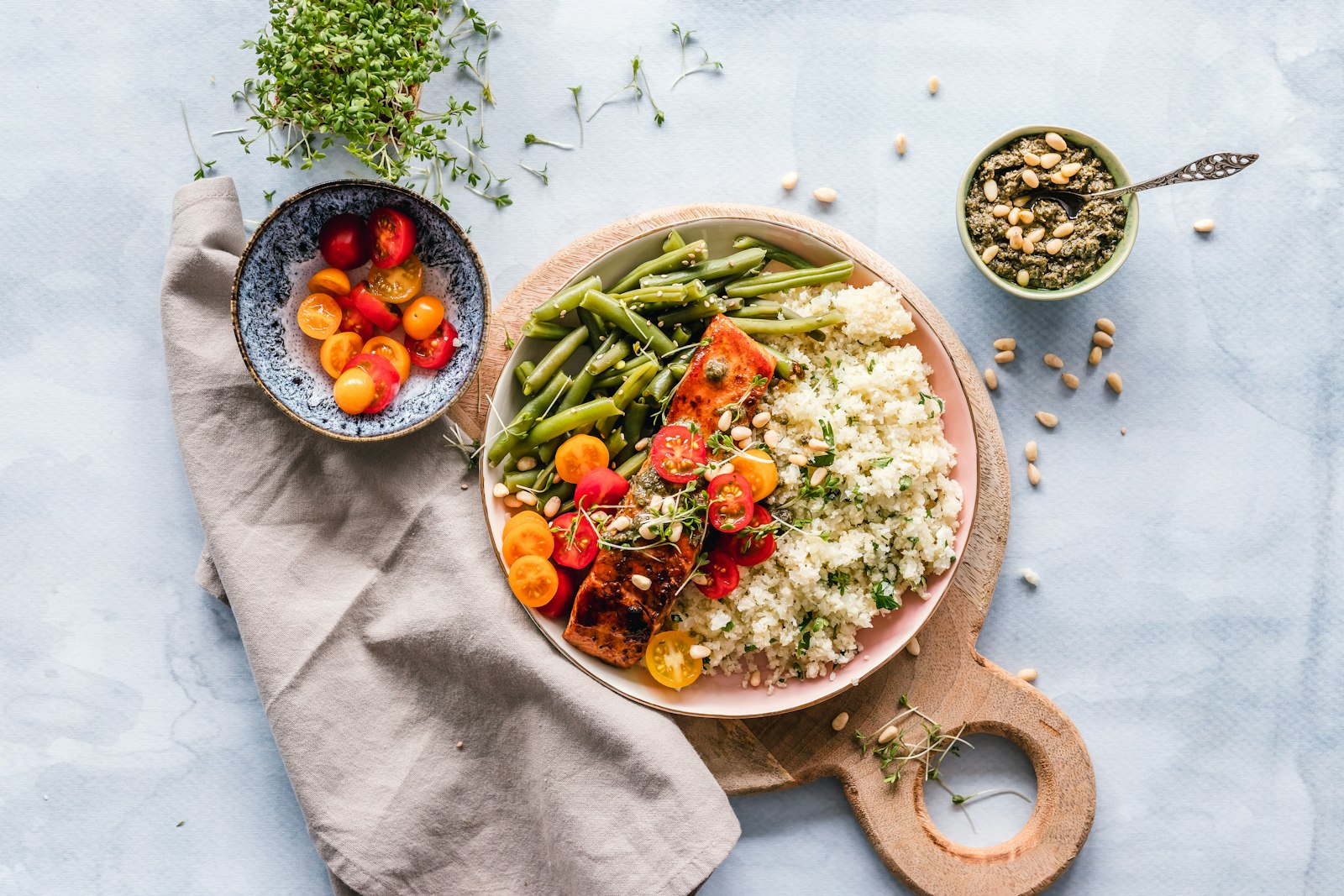
Nutritional psychiatry is the field that studies how diet affects mental health. For years, researchers noticed that people who ate whole-food diets rich in vegetables, fruit, fish, legumes and whole grains tended to have lower rates of depression than those eating highly processed diets. The question was whether improving diet could actually help.
In 2017, Professor Felice Jacka and colleagues at Deakin University published the SMILES trial in BMC Medicine, the first randomised controlled trial to test this directly. Adults with moderate to severe depression received either seven sessions of dietary support based on a modified Mediterranean diet or social support. After 12 weeks, 32.3% of the diet group met the criteria for remission compared with 8% of the social-support group. Importantly, the benefits were linked to how much people changed their diet, not to weight loss, and most participants continued their existing treatment throughout.
Your gut: the ‘second brain’
The gut and brain are in constant conversation through the vagus nerve, hormones, immune signals and the trillions of microbes that live in the digestive tract. This network is known as the gut–brain axis. Around 90% of the body’s serotonin, a chemical messenger involved in mood, sleep and appetite, is produced by specialised cells in the gut lining. Gut serotonin does not travel directly into the brain, but research suggests the gut microbiome influences mood through inflammation, nerve signalling and the compounds bacteria produce when they ferment fibre.
In practical terms, a varied, fibre-rich diet with plenty of plants feeds a diverse microbiome, and diversity is generally a marker of good gut health.
Six nutrients linked with a healthy mind
- Omega-3 fatty acids (EPA and DHA): found in oily fish such as salmon, sardines and mackerel. They are building blocks of brain cell membranes and have anti-inflammatory effects.
- B vitamins: folate, B6 and B12 help the body make neurotransmitters. Leafy greens, legumes, eggs and whole grains are good sources.
- Vitamin D: low levels are common in the UK through autumn and winter, and the NHS advises considering a daily supplement during these months.
- Magnesium: involved in the stress response and sleep. Nuts, seeds, dark leafy greens and whole grains provide it.
- Fibre and polyphenols: the fuel for beneficial gut bacteria, found in vegetables, fruit, beans, berries, tea and herbs.
- Protein (and tryptophan): amino acids from protein foods are the raw materials for brain chemicals including serotonin.
Just as important is what to reduce. Diets high in ultra-processed foods, refined sugar and alcohol are associated with poorer mental health, and blood-sugar swings from sugary snacks can leave you feeling irritable and drained.
“There is no health without mental health, and there is no mental health without nourishing the body that carries the mind.”
What traditional Chinese medicine teaches about emotions
Traditional Chinese medicine (TCM) has viewed the mind and body as one system for more than two thousand years. In TCM theory, emotions are closely linked to the organ systems: prolonged stress and frustration are associated with the Liver, overthinking and worry with the Spleen, and grief with the Lungs. When qi, or vital energy, flows smoothly, a person is thought to feel calm and balanced; when it stagnates, irritability, low mood and poor sleep can follow.
Classical formulas such as Xiao Yao San, built around Bupleurum root (Chai Hu), have traditionally been used to ease emotional tension, while gentle food-herbs like jujube dates (Da Zao) and goji berries (Gou Qi Zi) appear in calming teas and soups. Medicinal mushrooms are also attracting research interest; you can read more in our guides to Chinese herbs for depression and anxiety and how Lion’s Mane mushroom may support mental health.
At Phoenix NutriScience, this philosophy guides our family of brands. Aura Nutrition makes traditional herbal formulas more accessible, Vita Herbal Nutrition brings Chinese food-herbs into everyday cooking, and Mycology Nutrition focuses on medicinal mushrooms. We see herbs as one part of a balanced lifestyle, never as a substitute for medical care. If you take prescribed medication, especially antidepressants, speak to your GP or pharmacist before starting any herbal product, as some herbs can interact with medicines.
Seven everyday habits for a calmer mind
- Eat the rainbow: aim for a wide variety of plant foods each week to nourish your gut microbes.
- Protect your sleep: keep regular bed and wake times, and limit screens in the hour before bed.
- Move daily: a brisk walk outdoors combines exercise, daylight and fresh air, all linked with better mood.
- Stay connected: regular contact with friends and family is one of the strongest protectors of wellbeing.
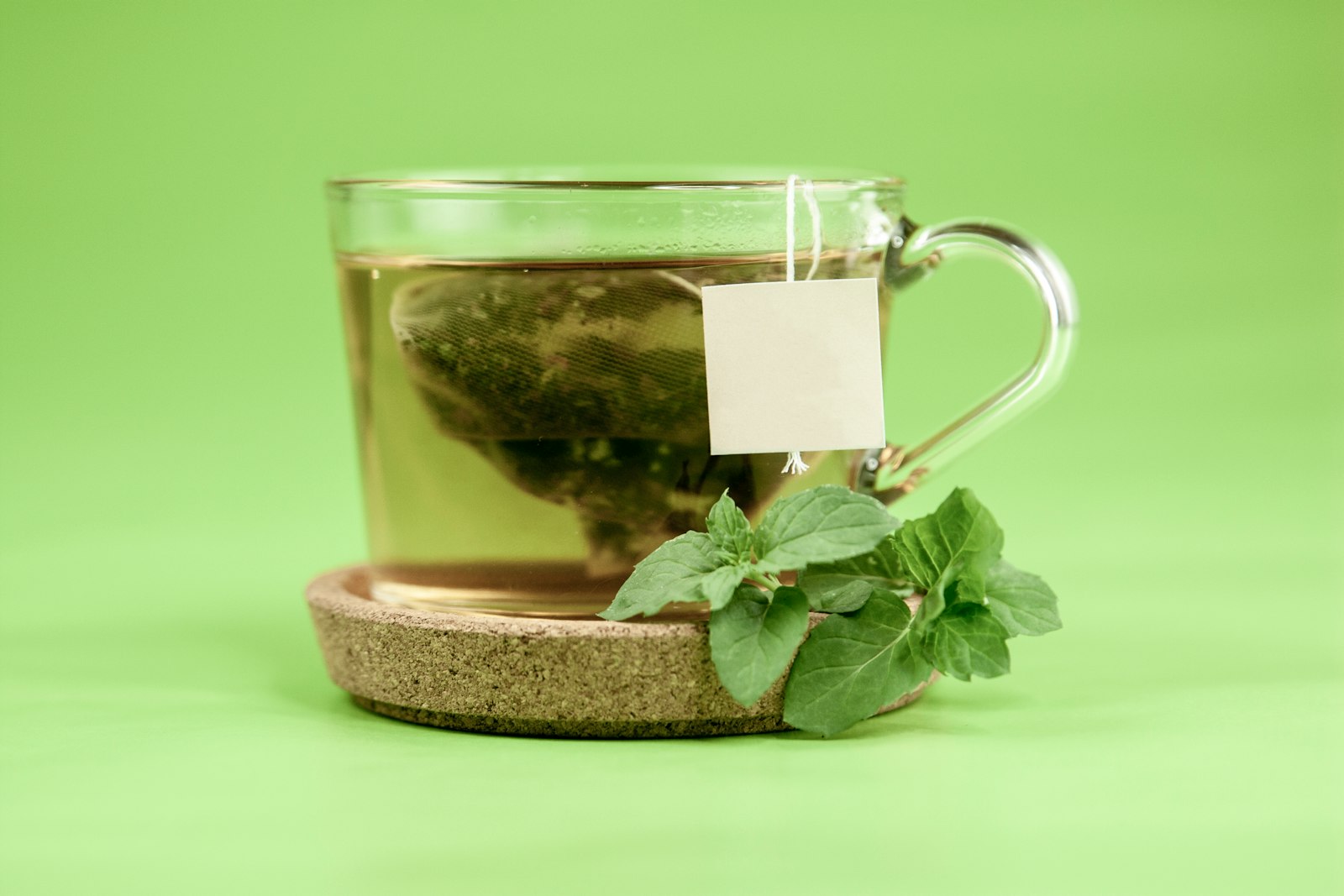
- Create a calming ritual: a cup of caffeine-free herbal tea, a few minutes of deep breathing or a short meditation can signal your nervous system to slow down.
- Go easy on alcohol and caffeine: both can disrupt sleep and heighten anxiety.
- Talk early: sharing how you feel with someone you trust, or a professional, before things build up makes recovery easier.
When to seek professional help
If low mood, anxiety or worry lasts more than two weeks, affects your daily life, or you are having thoughts of harming yourself, please reach out. In the UK you can:
- Speak to your GP or call NHS 111.
- Call Samaritans free, day or night, on 116 123.
- Text SHOUT to 85258 for free, confidential text support.
- In an emergency, call 999 or go to A&E.
Frequently asked questions
What is the link between diet and mental health?
Diet affects the brain through nutrients that build brain cells and chemical messengers, through inflammation, and through the gut–brain axis. Whole-food diets rich in vegetables, fruit, fish, legumes and whole grains are consistently associated with a lower risk of depression than highly processed diets.
Can changing your diet really help depression?
Evidence suggests it can help as part of treatment. In the SMILES trial, 32% of adults with depression who received dietary support reached remission after 12 weeks, compared with 8% of those who received social support. Diet works best alongside, not instead of, professional care.
Which foods are best for mood?
Oily fish, leafy greens, beans and lentils, nuts and seeds, berries, whole grains, olive oil and fermented foods such as yoghurt and kimchi are all good choices. Variety matters as much as any single food.
Is the gut really a ‘second brain’?
The gut contains its own extensive nervous system and produces around 90% of the body’s serotonin. It communicates with the brain via the vagus nerve, hormones and immune signals, which is why researchers call this the gut–brain axis.
Can herbal remedies replace antidepressants?
No. Herbal products should never replace prescribed medication without medical advice, and some herbs can interact with antidepressants. Traditional herbs may support general wellbeing as part of a balanced lifestyle, so always speak to your GP or a qualified practitioner first.
How quickly can food changes affect how I feel?
Some people notice steadier energy within days of cutting back on sugar and eating regular balanced meals. In research such as the SMILES trial, meaningful changes in mood were measured over around 12 weeks.
Where can I get mental health support in the UK?
Start with your GP or NHS 111. Samaritans are available free, 24 hours a day, on 116 123, and you can text SHOUT to 85258. In an emergency, call 999.
The bottom line
Mental health is shaped by many things, and no single food, herb or habit is a cure. But the evidence is clear that the way we eat, sleep, move and connect has a real influence on how we feel. By nourishing your body with whole foods, caring for your gut, drawing on time-honoured herbal wisdom and, above all, speaking up when you are struggling, you give your mind the strongest possible foundation. As so many public figures have shown, asking for help is not a weakness; it is the first step forward.
Sources
- World Health Organization (2025). Over a billion people living with mental health conditions.
- Mind. Mental health facts and statistics.
- Jacka FN et al. (2017). A randomised controlled trial of dietary improvement for adults with major depression (the SMILES trial). BMC Medicine.
- Yano JM et al. (2015). Indigenous bacteria from the gut microbiota regulate host serotonin biosynthesis. Cell.
- Mind. Our president, Stephen Fry.
This article is for educational purposes only and is not medical advice. Always consult a qualified healthcare professional about your health.