

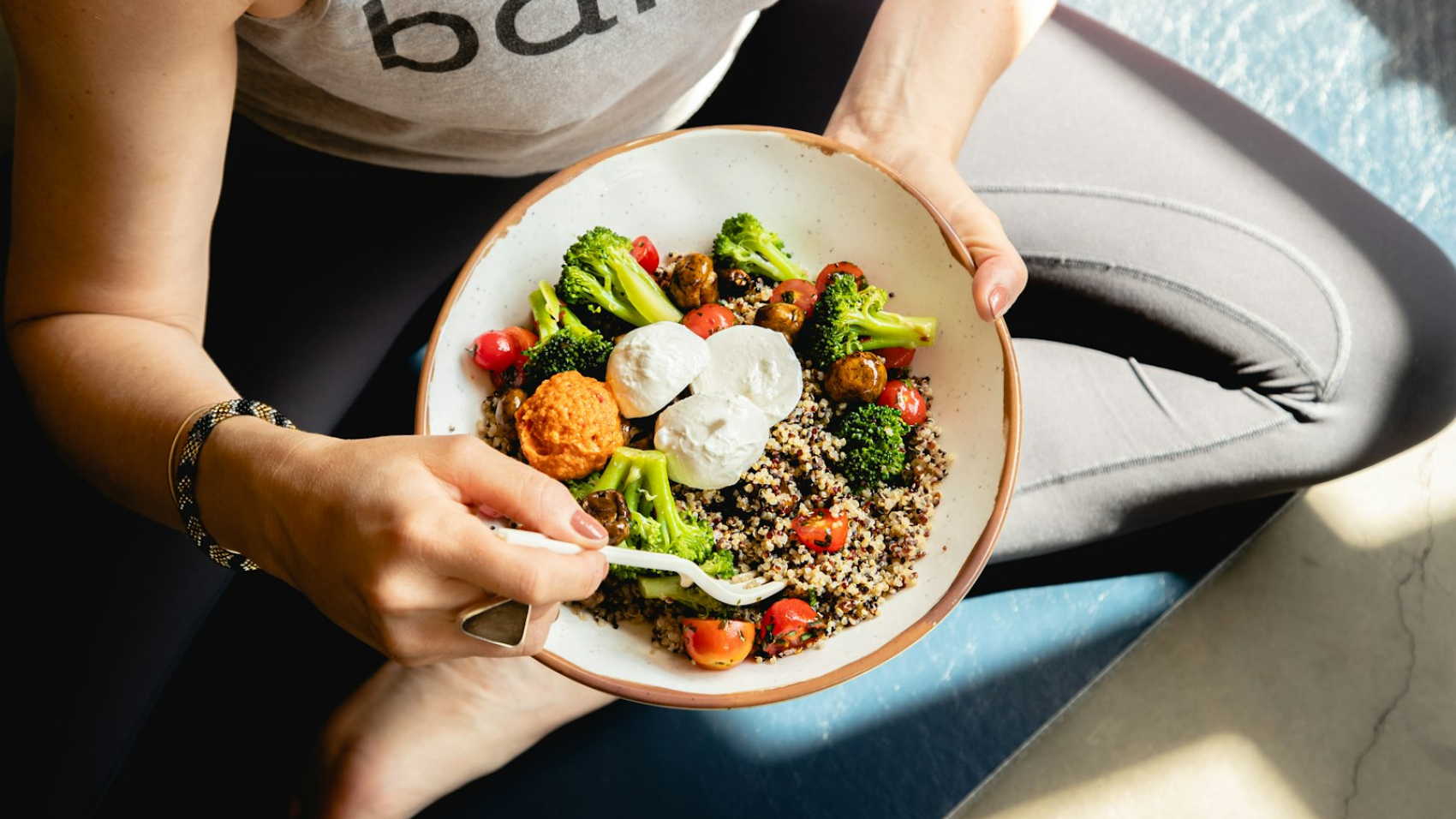
Every year on 14 November, World Diabetes Day puts a spotlight on a condition that affects millions of people in the UK and many more worldwide. Food is only one part of living well with diabetes, but it is the part most of us think about every day. In this article we have pulled together the general healthy eating advice from the NHS and Diabetes UK that can help keep blood sugar steadier. It is useful whether you have diabetes, care for someone who does, or simply want to eat a little better this winter. If you have diabetes, please treat this as background reading and follow the advice of your own care team.
Key takeaways
- There is no single diabetes diet. Diabetes UK recommends a referral to a dietitian for advice that fits you.
- All carbohydrates affect blood glucose, so the type and the portion size both matter.
- Wholegrains, pulses, vegetables and whole fruit are good everyday choices.
- Cutting back on sugary drinks, salt and processed meat helps your heart as well as your blood sugar.
- So called diabetic foods and vitamin or mineral supplements are not needed unless your healthcare team recommends something specific.
World Diabetes Day 2026: early action
The World Health Organization has chosen early action on diabetes as the theme for 2026. The focus is on earlier diagnosis, access to good care and reducing stigma. WHO estimates that more than 40% of people with diabetes worldwide have not been diagnosed, which means many are not getting the care they need.
Type 1 diabetes often comes on quickly, while type 2 usually develops slowly and may cause few obvious symptoms at first. Signs to look out for include feeling very thirsty, needing to pee a lot, tiredness and blurred vision. If any of these sound familiar, book an appointment with your GP. A simple blood test is all it takes to check.
Why food matters for blood sugar
When you eat carbohydrates, your body breaks them down into glucose, which passes into your bloodstream. Diabetes UK points out that all carbohydrates affect blood glucose levels, so it helps to know which foods contain them and to keep an eye on portions. The same charity is also clear that there is no one size fits all diabetes diet. What works for one person may not suit another, especially when medicines such as insulin are involved.
The good news is that the eating pattern recommended for people with diabetes looks very much like the healthy, balanced diet in the NHS Eatwell Guide. It is food the whole household can enjoy together.
Everyday habits that help
Choose higher fibre carbohydrates
Diabetes UK suggests swapping refined carbohydrates such as white bread, white rice and highly processed cereals for wholegrain versions like brown rice, oats and wholemeal bread. Pulses such as chickpeas, lentils and beans are another good source. The NHS advice for people with type 2 diabetes makes the same point, recommending fruit, vegetables, wholegrains and pulses as the basis of a healthy diet. Checking food labels for fibre is a quick way to compare products. Fibre also feeds the bacteria in your gut, something we cover in our article on prebiotics and probiotics.
Fill up on vegetables and whole fruit
Aim for at least five portions of fruit and vegetables a day, in a range of colours. Fresh, frozen, dried and tinned (in juice, not syrup) all count. Whole fruit is fine for people with diabetes, and Diabetes UK suggests spreading it across the day rather than eating a lot at once. Fruit juice is different. It counts as free sugar, so whole fruit is the better choice.
Think about fats and protein
Unsaturated fats from unsalted nuts, seeds, avocado, oily fish and oils such as olive or rapeseed are better choices than butter, ghee, lard and fatty or processed meats. Diabetes UK recommends eating less red and processed meat and choosing pulses, eggs, fish, poultry or unsalted nuts instead. Two portions of oily fish a week, such as salmon, mackerel or sardines, is a sensible target.
Cut back on sugar and salt
Sugary drinks are one of the easiest things to change. Swap them, along with energy drinks and fruit juice, for water, plain milk or unsweetened tea and coffee. Cakes, sweets and biscuits are best kept as occasional treats. For salt, the adult limit is 6g a day, about a teaspoon, and most of it comes from processed foods. Cooking from scratch and using herbs and spices for flavour makes a real difference.
Be smart with snacks
If you snack, unsweetened yoghurt, a small handful of unsalted nuts, fruit or vegetable sticks are better options than crisps, biscuits or chocolate. If you find yourself snacking when you are not hungry, Diabetes UK suggests trying a distraction such as a short walk or a podcast.
Go easy on alcohol
Keep to no more than 14 units a week, spread over several days, with some alcohol free days. Alcohol is high in calories, and if you take insulin or certain other diabetes medicines, drinking on an empty stomach raises the risk of a hypo. Your care team can tell you what applies to you.
What about diabetic foods and supplements?
Diabetes UK advises against buying foods labelled as suitable for diabetics. There is no evidence they offer any special benefit, they often contain similar amounts of fat and calories to standard versions, and they can still raise blood glucose.
The charity says the same about vitamin and mineral supplements: there is no evidence they help manage diabetes, and some can interact with medicines or cause problems for people with complications such as kidney disease. The best plan is to get your nutrients from food and only take a supplement if your healthcare team suggests one, for example folic acid before and during pregnancy. If you are thinking about any herbal product, talk to your diabetes team or pharmacist before you try it.
Moving more
Activity works hand in hand with food. The NHS suggests at least two and a half hours of activity a week that leaves you a little out of breath, such as brisk walking. You can split this into short sessions. A walk after your evening meal is an easy place to start, even on a dark November evening if you wrap up warm and wear something reflective.
Practical takeaways for the week ahead
- Make one swap at a time. The NHS notes that a small change every week is easier to stick with than a complete overhaul.
- Start the day with fibre. Porridge made with oats and topped with berries is a warming winter breakfast.
- Add pulses to soups and stews. Lentils and beans add fibre and protein and make a meal go further.
- Keep water to hand. Make it your default drink, with tea or coffee without sugar as alternatives.
- Look after your gut. A wide variety of plant foods is good for your gut bacteria too. Our steps to improve gut health fit neatly alongside the advice above.
If you have diabetes
Your care team knows your medicines, your blood glucose targets and your health history, so their advice always comes first. In particular:
- Ask your GP or diabetes nurse about a referral to a dietitian for advice that suits you
- Do not start a very strict or very low calorie diet without speaking to a health professional first, as it may not be safe alongside insulin or some other diabetes medicines
- Check with your team or pharmacist before taking any supplement or herbal product
- Seek advice if you have symptoms such as extreme thirst, peeing a lot or blurred vision and have not been tested
Frequently asked questions
Can people with diabetes eat fruit?
Yes. Diabetes UK says whole fruit is fine and counts towards your five a day. It suggests spreading fruit across the day and choosing whole fruit over juice, which counts as free sugar.
Do I need to buy special diabetic foods?
No. Diabetes UK advises against them, as there is no evidence they offer a special benefit and they can still affect blood glucose. A balanced diet based on everyday foods is the recommended approach.
Should I cut out carbohydrates altogether?
General guidance focuses on choosing healthier, higher fibre carbohydrates and watching portion sizes. Some people do follow lower carbohydrate plans, but if you have diabetes it is important to do this with support from your healthcare team, especially if you take insulin or other medicines that can cause hypos.
Are there supplements that help manage diabetes?
Diabetes UK says there is no evidence that vitamin or mineral supplements help manage diabetes, and some can interact with medicines. Only take a supplement if your healthcare team recommends it.
Small, steady changes to what is on your plate can make everyday life with diabetes a little easier, and they are good for everyone at the table. For more evidence based articles on food and wellbeing, visit our Research hub.
This article is for general information only and is not a substitute for advice from your diabetes care team. Please speak to your GP or pharmacist before starting any supplement, especially if you are pregnant, taking medication or managing a health condition.
Sources
- World Health Organization. World Diabetes Day 2026.
- Diabetes UK. 10 tips for healthy eating with diabetes.
- NHS. Staying healthy if you have type 2 diabetes.
- NHS. The Eatwell Guide.