

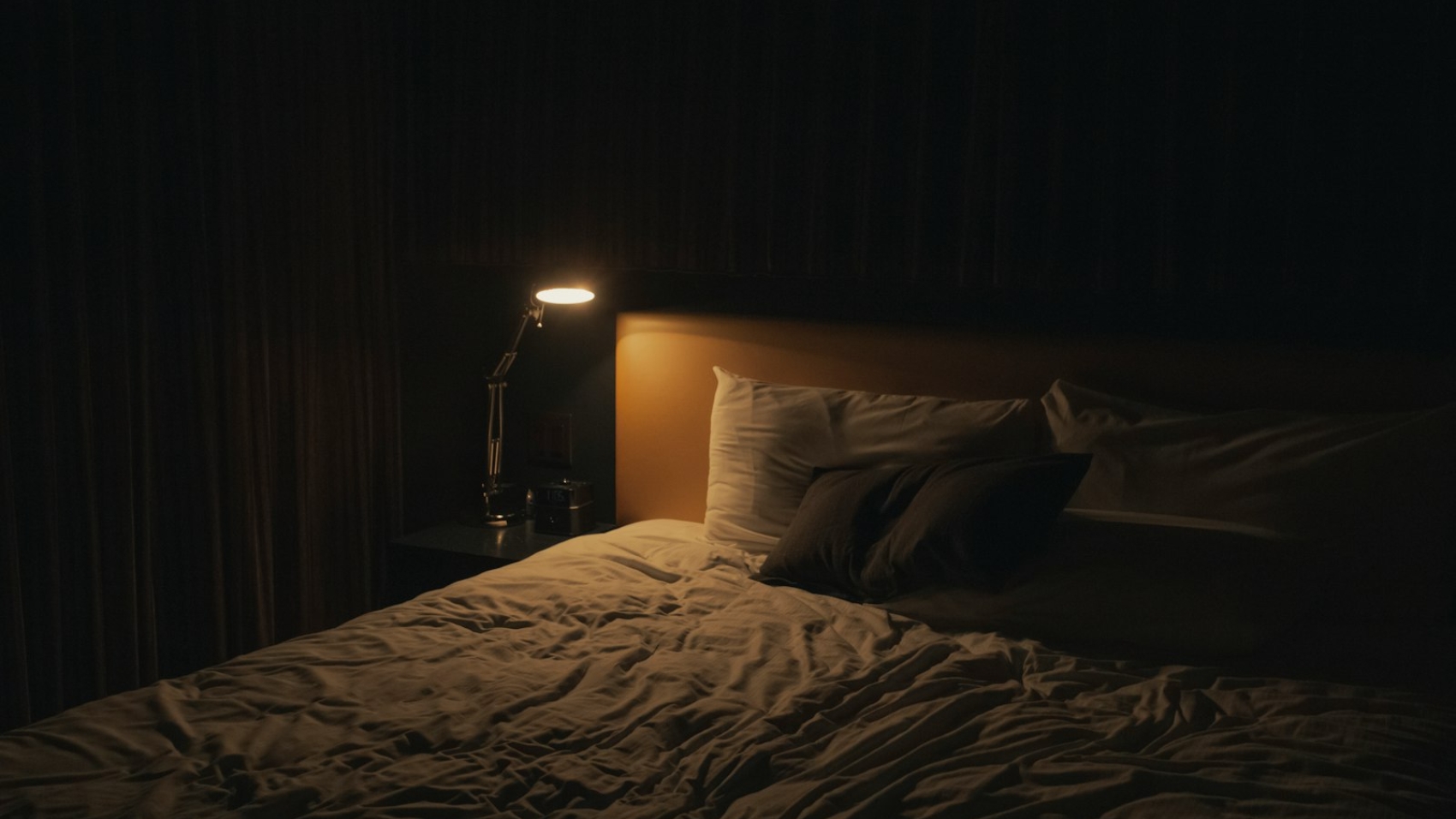
By late November it can be dark before many of us finish work, and our evenings tend to shift indoors. Some people find they feel sleepy far too early, others lie awake later than they would like, and the run up to the festive season rarely helps. The good news is that a few steady habits make a real difference. In this article we look at the routine and food tips recommended by the NHS, and take an honest look at what research says about two popular calming herbs, chamomile and valerian.
Key takeaways
- Going to bed and getting up at about the same time every day is one of the most useful sleep habits.
- The NHS suggests no caffeine for at least six hours before bed and avoiding alcohol close to bedtime.
- Heavy, hard to digest meals late in the evening can get in the way of sleep. A warm milky drink or herbal tea may help you wind down.
- Research on chamomile for sleep is very limited, and evidence on valerian is inconsistent.
- If poor sleep carries on despite good habits, speak to your GP.
Why winter can unsettle sleep
Our sleep is closely tied to our daily routine and to light. In winter we get less daylight, spend more time indoors under artificial light and often look at screens late into the evening. Add rich seasonal food, a few more drinks than usual and busier diaries, and it is easy to see why sleep can drift off course at this time of year.
Getting outside during the day still matters, even when the sky is grey. A lunchtime walk gives you some daylight and counts towards your activity for the week, which the NHS recommends doing in the morning or early afternoon rather than close to bedtime.
Build a steady routine
The NHS Every Mind Matters sleep advice starts with regular hours. Going to bed and waking up at roughly the same time each day, including weekends, helps your body adjust and makes it easier to drop off at night.
Give yourself time to wind down
Most of us cannot go straight from answering emails to deep sleep. Set aside half an hour or so before bed for something calming, such as reading, a warm bath, gentle stretching or listening to quiet music. Putting your phone away, ideally out of the bedroom, removes one of the biggest temptations to stay up.
Make your bedroom work for you
The NHS points out that noise, light, temperature and an uncomfortable bed can all disrupt sleep. In winter that might mean thicker curtains for early streetlights, an extra blanket you can kick off rather than turning the heating right up, or earplugs if the household keeps late hours.
Time your exercise
Being active during the day is good for sleep, but the NHS suggests avoiding exercise in the four hours before bed. A morning or lunchtime walk is ideal in the darker months.
Food and drink in the evening
Watch the caffeine
The NHS recommends not having tea, coffee or other caffeinated drinks for at least six hours before bed. If you go to bed at 11pm, that means your last cup should be around 5pm at the latest. Remember that cola, energy drinks and some chocolate contain caffeine too.
Be wary of a nightcap
Alcohol can make you feel drowsy at first, but the NHS notes it can lead to poorer sleep later in the night. With the party season approaching, it is worth keeping an eye on how much and how late you drink.
Keep evening meals lighter
Heavy or hard to digest meals close to bedtime can keep you awake. Try to eat your main meal a few hours before bed, and if you need something later, keep it small. The NHS suggests that a warm milky drink or a herbal tea may help as part of your wind down. A bowl of soup or a simple stir fry earlier in the evening is often easier on the system than a large, rich dinner at 9pm. For more on how food and mood are linked, see our guide to food, lifestyle and a calmer mind.
Calming herbs: what does the research say?
Herbal teas have been part of evening rituals for generations, in Europe and across Asia. Traditional herbs and botanicals come up a lot on this blog, so we are often asked whether particular herbs help with sleep. Here is what the evidence looks like for the two most popular in the UK.
Chamomile
Chamomile tea is many people’s go to evening drink. According to the US National Center for Complementary and Integrative Health (NCCIH), there is very little research on chamomile for insomnia. A 2019 review it cites found only one study on insomnia, and that study showed no benefit. So while a warm, caffeine free cup can be a pleasant part of winding down, there is no good evidence that chamomile itself helps you sleep.
Chamomile is generally well tolerated, but allergic reactions can happen, especially in people allergic to related plants such as ragweed, daisies, marigolds or chrysanthemums. NCCIH also notes reported interactions with warfarin and some other medicines, and that chamomile may act a little like oestrogen in the body. Little is known about its safety in pregnancy or while breastfeeding.
Valerian
Valerian root has a long history as a traditional sleep remedy in Europe. NCCIH describes the evidence as inconsistent, meaning studies have not reached a clear answer, and the American Academy of Sleep Medicine’s 2017 guidelines recommend against using valerian for long term insomnia in adults.
Short term use, of up to six weeks, appears generally safe for most adults, but valerian can cause headaches, stomach upset, mental dullness or vivid dreams. It should not be combined with alcohol or sedative medicines, rare cases of liver problems have been reported (usually when it was taken with other herbs), and little is known about its safety in pregnancy or while breastfeeding.
The ritual still counts
Even where the research on a herb is weak, making a caffeine free drink at the same time each evening can become a useful cue that the day is ending. If you enjoy experimenting with flavours, our tea ideas are a good place to start.
A simple winter evening routine
- Daytime: get outside for at least a short walk, ideally before mid afternoon.
- Six hours before bed: switch to decaf or caffeine free drinks.
- Three hours before bed: finish your main meal and keep anything after it light.
- One hour before bed: dim the lights, put your phone on charge outside the bedroom and make a warm, caffeine free drink.
- Bedtime: aim for the same time every night and the same wake up time every morning.
These fit neatly with the habits we suggested for Self Care Week, so if you started any of those, you are already on your way.
When to speak to your GP or pharmacist
Speak to your GP if:
- You regularly struggle to fall asleep, stay asleep or wake too early, and changing your habits has not helped
- You think a medicine you take may be affecting your sleep (a pharmacist can also advise)
- Menopause or perimenopause symptoms are disturbing your sleep
- You are thinking of taking a herbal sleep remedy and are pregnant, breastfeeding or on any medication
If you feel unable to cope or to keep yourself safe, get urgent help by calling NHS 111 or, in an emergency, 999.
Frequently asked questions
How long before bed should I stop drinking coffee?
The NHS recommends avoiding tea, coffee and other caffeinated drinks for at least six hours before bed.
Does chamomile tea help you sleep?
There is very little research on chamomile for sleep problems, and the one insomnia study identified in a 2019 review found no benefit. Many people still enjoy it as a caffeine free part of their evening routine.
Is valerian safe to take?
Short term use appears generally safe for most adults, but it can cause side effects, should not be mixed with alcohol or sedatives, and there is little safety information for pregnancy or breastfeeding. Check with a pharmacist before trying it, especially if you take other medicines.
What should I eat before bed?
The NHS suggests avoiding heavy or hard to digest meals close to bedtime. If you are hungry later in the evening, a small snack or a warm milky drink is a gentler option.
Good sleep in winter rarely comes from one trick. It is usually the result of a steady routine, sensible food and drink choices and a calm end to the day. For more evidence based articles on herbs, mushrooms and nutrition, visit our Research hub.
This article is for general information only. Please speak to your GP or pharmacist before starting any supplement or herbal remedy, especially if you are pregnant, taking medication or managing a health condition.
Sources
- NHS Every Mind Matters. Sleep problems.
- National Center for Complementary and Integrative Health. Chamomile.
- National Center for Complementary and Integrative Health. Valerian.