

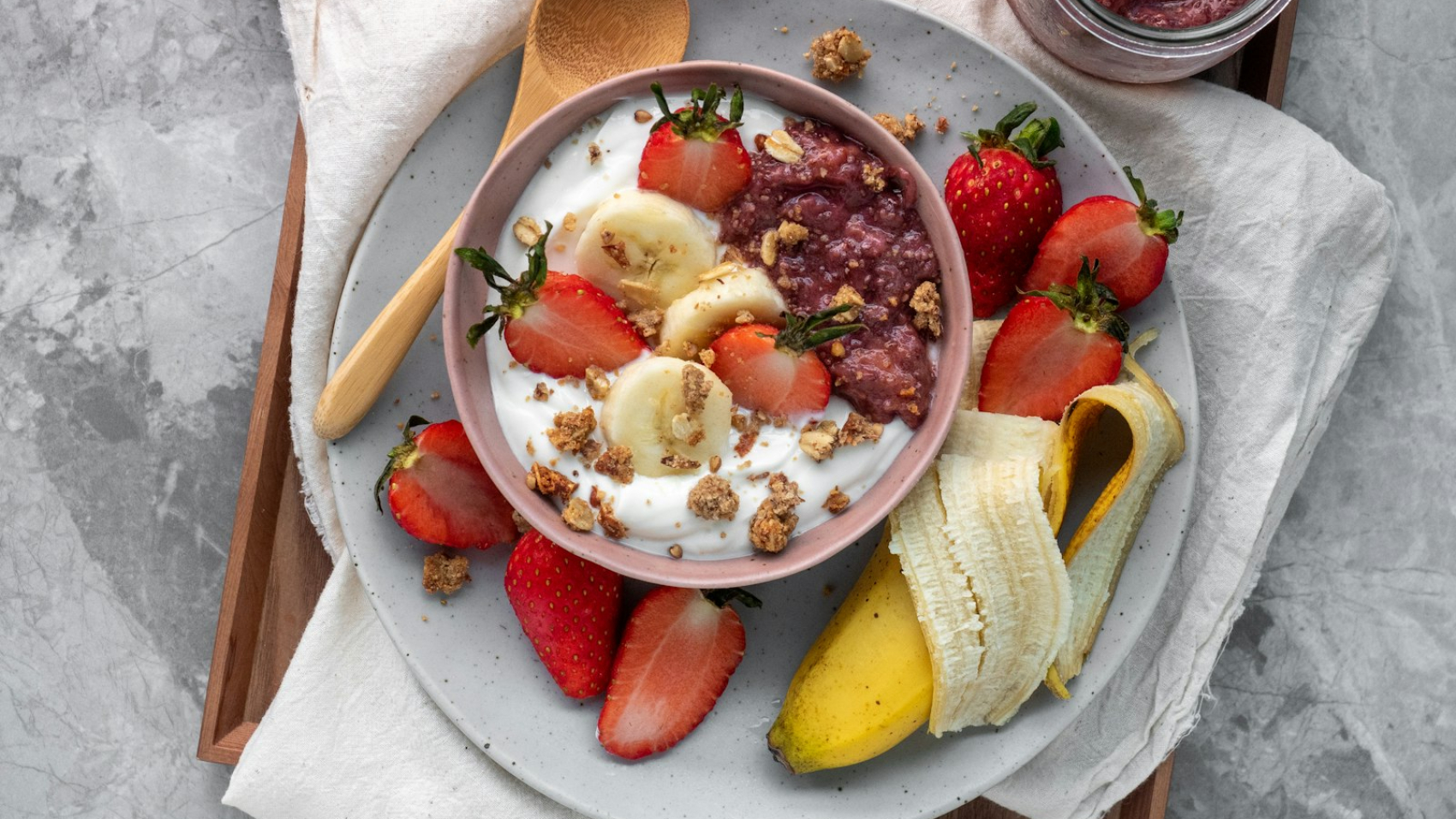
Here is the short answer. Probiotics are live, friendly microbes that you add to your gut, found in foods like live yoghurt and kefir. Prebiotics are the fibres that feed the good bacteria already living there, found in foods like onions, garlic, oats and bananas. One brings in new residents; the other keeps the existing ones well fed. Most of us benefit from both, and you can get plenty of each from everyday food. Here is everything you need to know, without the jargon.
Key takeaways
- Probiotics are live microorganisms that offer a health benefit when taken in adequate amounts.
- Prebiotics are substances, mostly types of fibre, that your beneficial gut bacteria selectively feed on.
- Eating them together, in a meal or a product, is called a synbiotic approach.
- Probiotic supplements have the best evidence for reducing diarrhoea linked to antibiotics, but effects depend on the specific strain.
- For most healthy people, a varied, fibre-rich diet with some fermented foods is the best place to start.
The garden analogy that makes it click
Think of your gut as a garden. Probiotics are like planting new seeds and seedlings. Prebiotics are the compost and fertiliser that help everything already growing there to thrive. You can plant as many seeds as you like, but without good soil and food, they will not flourish for long. And a well-fed garden often looks after itself.
That is why gut experts increasingly focus on feeding the microbes you already have, rather than relying only on adding new ones. If you are new to the topic, our guide on how to improve gut health covers the bigger picture.
Meet the ‘biotics’ family
The International Scientific Association for Probiotics and Prebiotics (ISAPP), a non-profit group of leading researchers, has published agreed definitions for each term. Here they are in plain English:
Probiotics
Live microorganisms that provide a health benefit when you take enough of them. Found in live yoghurt, kefir and some supplements.
Prebiotics
Substances that your beneficial microbes selectively use as food, delivering a health benefit. Mostly fibres such as inulin, found in onions, garlic, leeks and chicory.
Synbiotics
A combination of live microorganisms and the substances they feed on. Kefir with oats and banana is a simple food version.
Postbiotics
The newest member: preparations of deliberately inactivated microbes or their parts that still offer a health benefit. Research here is at an early stage.
What are probiotics?
Probiotics are specific strains of bacteria or yeasts, most commonly from the Lactobacillus and Bifidobacterium families, plus the yeast Saccharomyces boulardii. The key word is strain. Just as dog breeds differ, two strains of the same species can behave very differently, so a benefit shown for one strain does not automatically apply to another.
Best food sources of live microbes
- Live or ‘bio’ yoghurt
- Kefir, a fermented milk drink
- Unpasteurised sauerkraut and kimchi
- Miso, tempeh and kombucha
- Some traditionally made cheeses
Strictly speaking, scientists only call a fermented food ‘probiotic’ when its microbes are defined and shown to offer a benefit. But fermented foods with live cultures are still a great, tasty way to add more microbes to your diet.
Why you won’t see ‘probiotic’ on UK yoghurt labels
Here is something most shoppers never notice. In the UK, the word ‘probiotic’ on food is treated as a health claim, because it implies the product is good for you. As no probiotic health claims have been authorised, food and supplement brands generally cannot use the word on their labels. That is why you will see phrases like ‘live cultures’ or ‘contains live bacteria’ instead. It also means it is worth reading labels carefully and being wary of big promises.
What are prebiotics?
Prebiotics pass through your stomach and small intestine undigested, then reach your large intestine, where beneficial bacteria ferment them. In the process, those bacteria produce short-chain fatty acids such as butyrate, which help nourish the cells lining your gut. The best-studied prebiotics are fibres called inulin, fructo-oligosaccharides (FOS) and galacto-oligosaccharides (GOS).
Best food sources of prebiotics
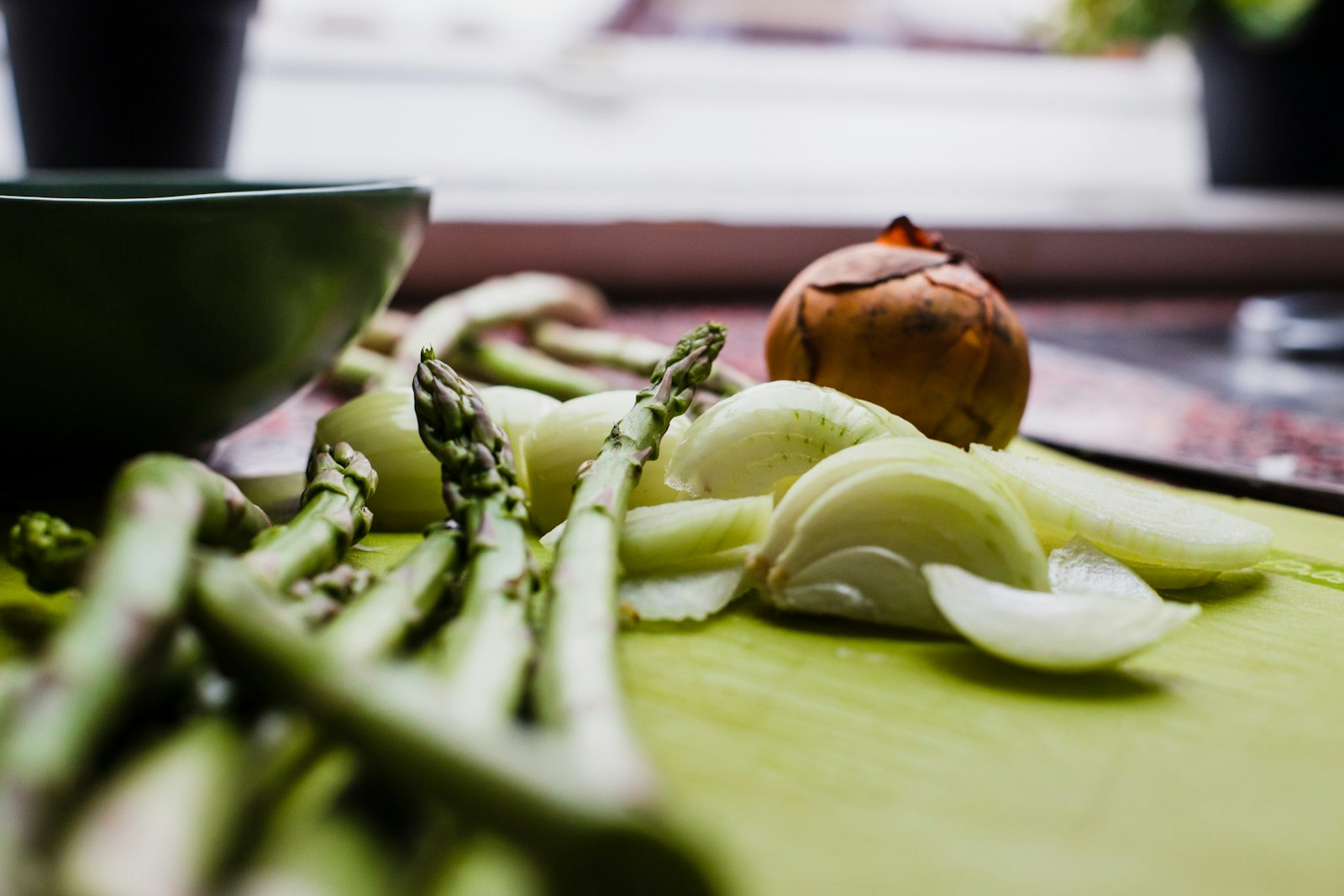
- Alliums: onions, garlic, leeks and spring onions
- Vegetables: asparagus, Jerusalem artichokes and chicory
- Grains: oats and barley
- Pulses: beans, lentils and chickpeas
- Fruit: slightly green bananas
- Cooked and cooled starches: potatoes, rice and pasta that have cooled develop resistant starch, which also feeds gut bacteria
Beyond fibre: mushrooms and polyphenols
In 2017, ISAPP widened the definition of prebiotics so that it is no longer limited to carbohydrates. That has opened the door to new candidates. Mushrooms contain fibres such as beta-glucans and chitin that researchers are studying for their effects on gut bacteria. If you enjoy cooking with them, Mycology Nutrition offers organic mushrooms including shiitake, reishi and lion’s mane.
Polyphenols, the natural compounds that give berries, cocoa, olive oil and tea their colour and flavour, are another area of interest, because gut microbes break many of them down. A cup of herbal tea is an easy, everyday way to add more plant compounds to your day. Aura Nutrition makes plant-based functional teas inspired by traditional Chinese herbal recipes, a nice warming swap for a sugary afternoon drink.
“Probiotics bring in new guests. Prebiotics keep the whole party fed.”
Do you need both? Try these easy pairings
You do not need to buy anything special to get the benefits of both. Simply pair a fermented food with a fibre-rich one:
- Breakfast: kefir or live yoghurt with oats, a sliced banana and a handful of berries
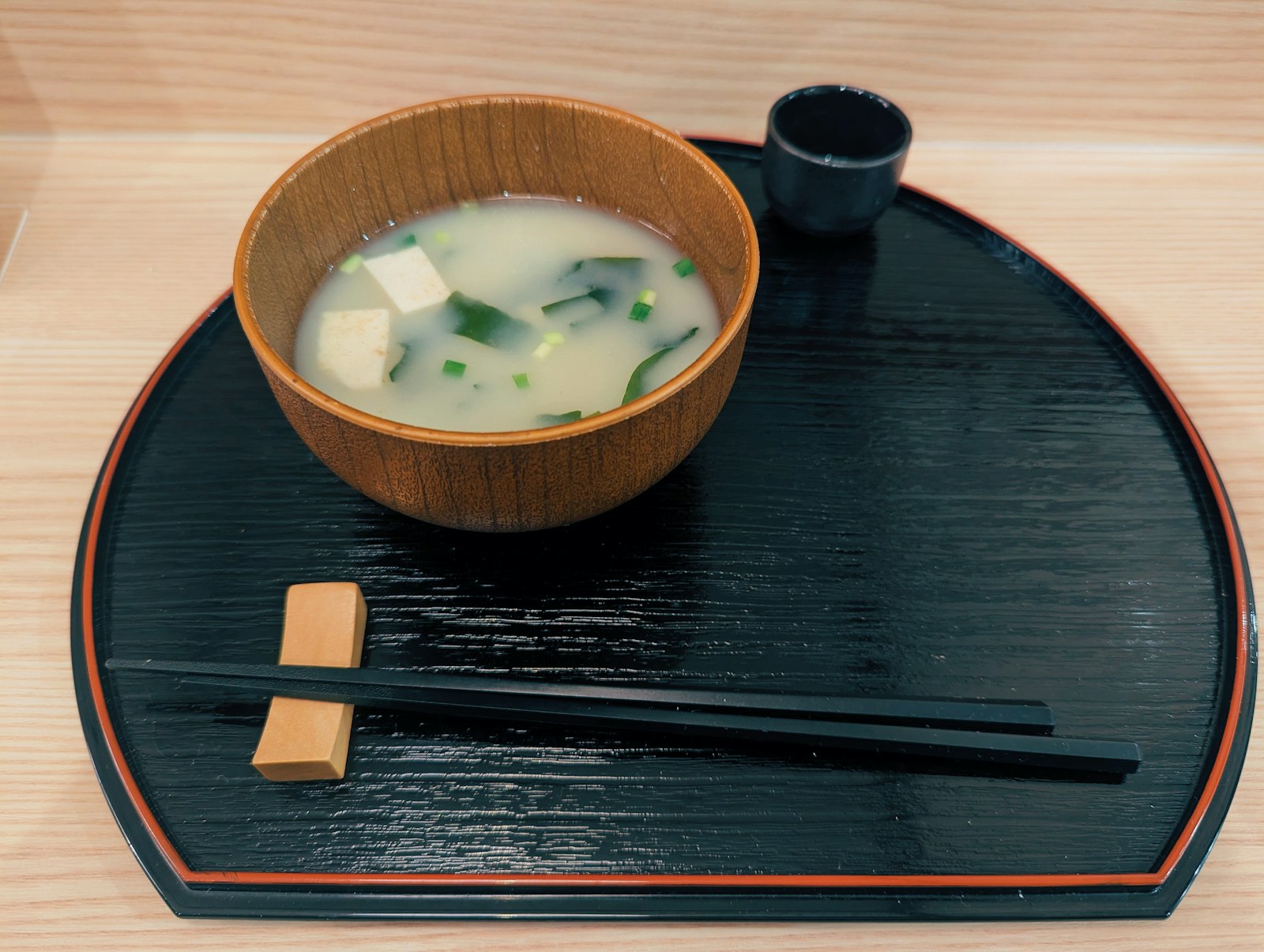
- Lunch: miso soup with leeks, spring onions and mushrooms
- Dinner: kimchi or sauerkraut on the side of a lentil or bean dish
- Weekend brunch: a warming rice congee with ginger, mushrooms and goji berries
That last idea comes from traditional Chinese cooking, which has long favoured warm, gently cooked dishes for comfortable digestion. Culinary herbs like goji berries, jujube dates and Chinese yam from Vita Herbal Nutrition are an easy way to add more variety, and every new plant counts towards the 30 a week that gut researchers recommend.
Do probiotic supplements actually work?
The honest answer: sometimes, for some people, depending on the strain. The strongest evidence is for reducing diarrhoea caused by antibiotics. A 2021 review in BMJ Open pooled 42 randomised trials involving more than 11,000 adults and found that taking probiotics alongside antibiotics lowered the risk of antibiotic-associated diarrhoea by around 37%.
For general wellbeing in healthy people, the evidence is much less clear. It is also worth knowing that in the UK, probiotics are sold as food supplements, so they do not go through the testing and quality checks that medicines do. If you are thinking of taking one, a pharmacist or dietitian can help you choose a strain with evidence for your situation. People who are seriously ill or have a weakened immune system should always check with their doctor first.
Can prebiotics cause side effects?
Yes, especially if you add a lot at once. As your bacteria ferment prebiotic fibres they produce gas, so a sudden increase can cause bloating and wind. Build up gradually over a few weeks and drink plenty of water. Many prebiotic foods, such as onions, garlic and beans, are also high in FODMAPs, which can trigger symptoms in people with irritable bowel syndrome (IBS). If that is you, a registered dietitian can help you find the right balance.
When to see your GP
Diet changes can help with everyday digestion, but some symptoms always need checking. See your GP if you have:
- A change in your bowel habits lasting three weeks or more
- Blood in your poo
- Unexplained weight loss or extreme tiredness
- Persistent tummy pain or bloating
You can find more on the NHS digestive health pages.
Frequently asked questions
What is the main difference between prebiotics and probiotics?
Probiotics are live beneficial microbes that you add to your gut. Prebiotics are mostly fibres that feed the beneficial microbes already living there. Probiotics add new residents; prebiotics feed them.
Which is better, prebiotics or probiotics?
Neither is better; they do different jobs. For most healthy people, getting prebiotics from a varied, fibre-rich diet and adding some fermented foods is the best approach.
Can I take prebiotics and probiotics together?
Yes. Combining them is called a synbiotic approach. A simple example is live yoghurt or kefir with oats and a banana.
What foods are natural probiotics?
Live yoghurt, kefir, unpasteurised sauerkraut and kimchi, miso, tempeh, kombucha and some traditional cheeses all contain live microbes.
What foods are high in prebiotics?
Onions, garlic, leeks, asparagus, Jerusalem artichokes, chicory, oats, barley, beans, lentils, slightly green bananas, and cooked and cooled potatoes or rice.
Should I take a probiotic after antibiotics?
Research shows probiotics taken alongside antibiotics can reduce the risk of antibiotic-associated diarrhoea, but results vary by strain. Ask your pharmacist for advice, and always finish your antibiotic course.
Why don’t UK yoghurts say probiotic on the label?
In the UK the word probiotic is treated as a health claim. Because no probiotic health claims have been authorised, brands generally use terms such as live cultures instead.
The bottom line
Prebiotics and probiotics are not rivals; they are teammates. Probiotics add beneficial microbes, prebiotics feed them, and together they help keep your gut garden thriving. Before reaching for supplements, start in the kitchen: build up your fibre, eat a wide variety of plants, and enjoy fermented foods a few times a week. Your gut will notice the difference, and so might your mood, as we explain in our guide to mental health and nutrition.
Sources
- Gibson GR et al. (2017). ISAPP consensus statement on the definition and scope of prebiotics. Nature Reviews Gastroenterology & Hepatology.
- Salminen S et al. (2021). ISAPP consensus statement on the definition and scope of postbiotics. Nature Reviews Gastroenterology & Hepatology.
- Goodman C et al. (2021). Probiotics for the prevention of antibiotic-associated diarrhoea: a systematic review and meta-analysis. BMJ Open.
- NIHR Evidence. Probiotics can prevent bacterial diarrhoea in hospital patients receiving antibiotics.
- Advertising Standards Authority. Ruling on the use of the term probiotic.
This article is for educational purposes only and is not medical advice. Always consult a qualified healthcare professional about your health.