

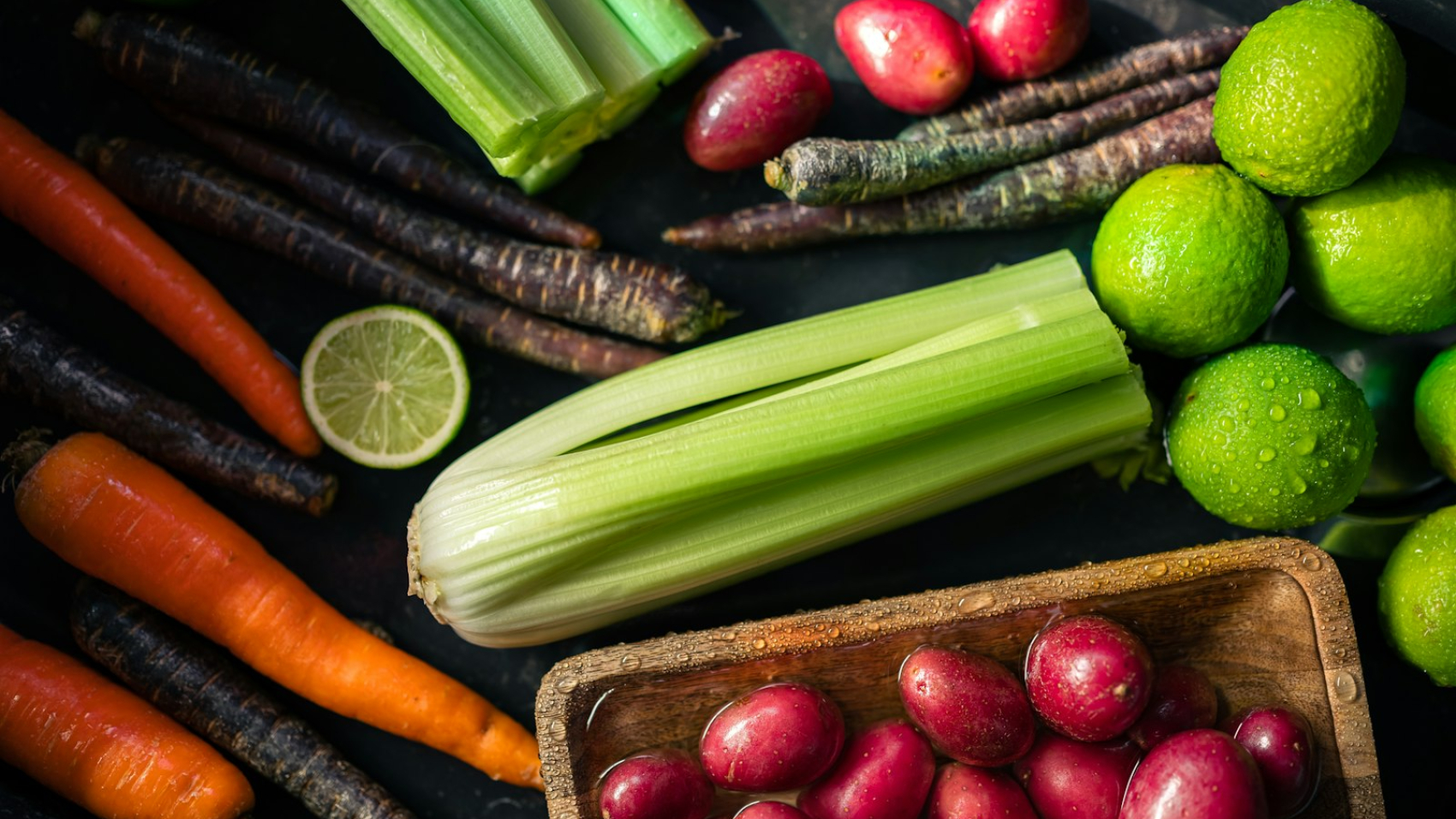
The quickest way to improve your gut health is to feed the trillions of bacteria that live there. That means eating a wide variety of plants, getting more fibre, adding fermented foods, cutting back on ultra-processed food, and looking after your sleep and stress levels. None of it requires expensive supplements or a strict diet. Below are ten simple, science-backed steps you can start today, along with the signs your gut might need some attention.
Key takeaways
- Aim for 30 or more different plant foods a week. Research from the American Gut Project linked this with a more diverse gut microbiome.
- UK adults should eat 30g of fibre a day, yet most of us manage only around 20g.
- Fermented foods add live microbes, while prebiotic foods feed the ones you already have.
- Sleep, movement and stress all affect your gut, not just what you eat.
- See your GP about any persistent change in your bowel habits, blood in your poo or unexplained weight loss.
What is gut health, and why does it matter?
Your gut is home to trillions of bacteria, fungi and other microbes, known together as the gut microbiome. They help break down food your body cannot digest on its own, produce vitamins and short-chain fatty acids that nourish the gut lining, and play a part in training your immune system.
Good gut health generally means comfortable, regular digestion and a diverse community of microbes. And it reaches well beyond the stomach. Around 90% of the body’s serotonin is made in the gut, and scientists are studying how the gut and brain talk to each other, something we explore in our guide to mental health and nutrition.
Signs your gut may need some support
Everyone has the odd off day, but these signs, if they keep coming back, can suggest your gut is not as happy as it could be:
- Regular bloating, wind or tummy discomfort
- Constipation, diarrhoea, or a mix of both
- Heartburn or indigestion after meals
- Feeling sluggish, or strong cravings for sugary foods
These symptoms are common and have many possible causes, so treat them as a nudge to look at your habits rather than a diagnosis.
How to improve gut health: 10 science-backed steps
1. Eat 30 different plants a week
In 2018, researchers from the American Gut Project found that people who ate more than 30 different plant types a week had more diverse gut microbiomes than those who ate 10 or fewer. It sounds a lot, but everything counts: vegetables, fruit, whole grains, beans, nuts, seeds, herbs and spices. A handful of mixed seeds alone can add four or five. Dried herbs count too, which is where culinary Chinese herbs come in handy. Goji berries, jujube dates and Chinese yam from Vita Herbal Nutrition are an easy way to add new plants to soups, porridge and stews.
2. Build up to 30g of fibre a day
Fibre is the main food for your gut bacteria, yet most UK adults fall well short of the 30g target. Swap to wholegrain bread and pasta, leave the skins on potatoes, and add beans, lentils or chickpeas to curries and salads. Increase your fibre gradually and drink plenty of water, or you may feel more bloated at first.
3. Add fermented foods
Live yoghurt, kefir, kimchi, sauerkraut, miso and kombucha contain live microbes. A spoonful of sauerkraut on the side of a meal or kefir in your morning smoothie is an easy start. Choose unpasteurised versions where possible, as heat treatment kills the live cultures.

4. Eat more prebiotic foods
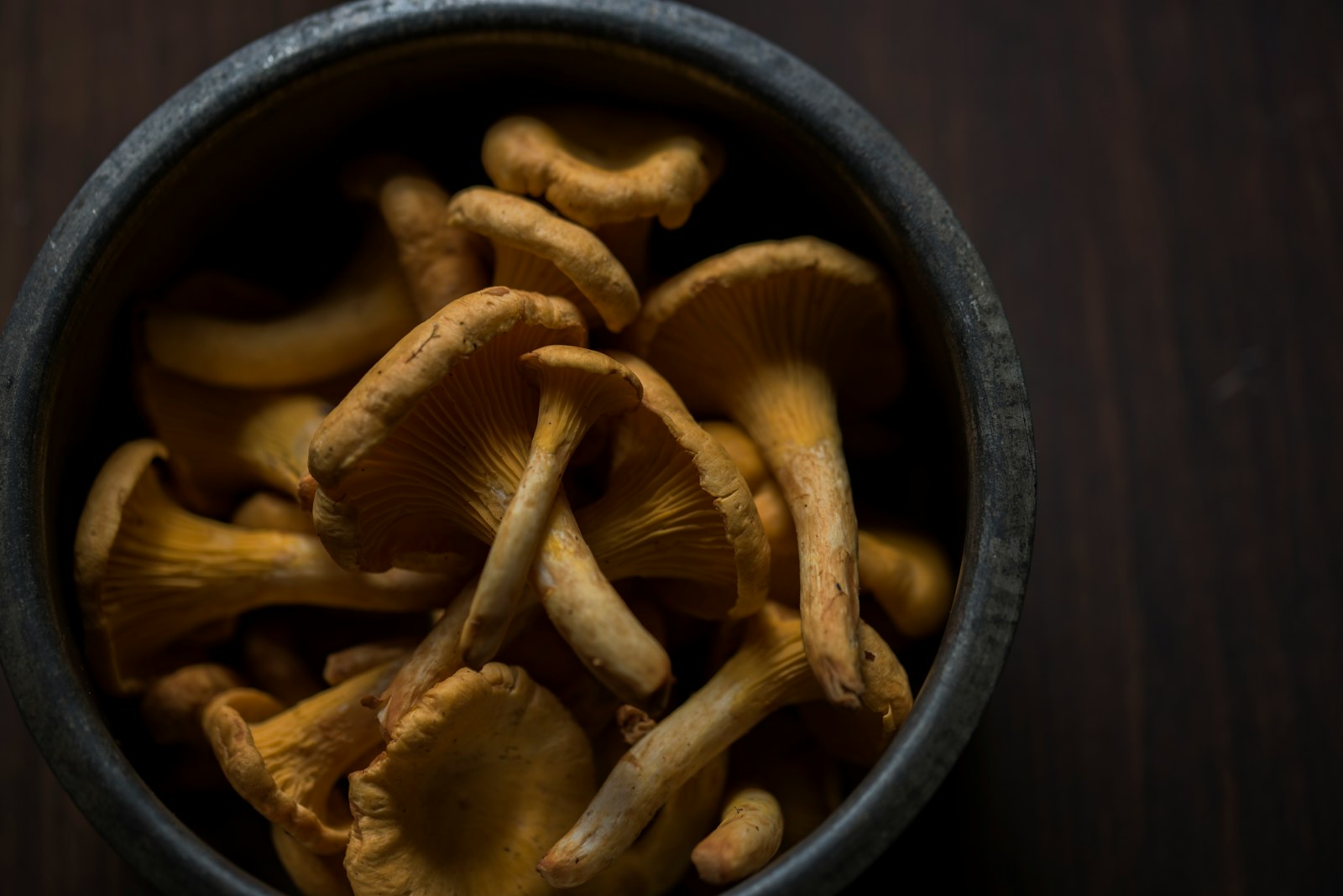
Prebiotics are types of fibre that your beneficial bacteria particularly like. Onions, garlic, leeks, asparagus, oats, slightly green bananas and mushrooms are all good sources. Mushrooms are especially interesting because they contain beta-glucans, a type of fibre that scientists are studying for its effects on the gut. If you enjoy them, Mycology Nutrition specialises in organic medicinal mushrooms such as lion’s mane, reishi and shiitake.
5. Fill up on polyphenols
Polyphenols are natural plant compounds found in berries, extra virgin olive oil, dark chocolate, coffee, green tea and herbal teas. Gut bacteria break many of them down, and research suggests they help shape a healthier microbiome. Swapping a sugary afternoon drink for a cup of herbal tea is a simple habit. Aura Nutrition makes plant-based functional teas inspired by traditional Chinese herbal recipes, which make a warming after-dinner ritual.
6. Cut back on ultra-processed foods
Foods with long ingredient lists full of emulsifiers, sweeteners and additives tend to be low in fibre and crowd out the foods your gut bacteria need. You do not have to be perfect. Cooking from scratch a few more nights a week makes a real difference.
7. Drink enough water
Fibre draws water into the bowel, so staying hydrated keeps things moving comfortably. Water, milk and caffeine-free teas all count towards the six to eight glasses a day the NHS recommends.
8. Protect your sleep
Your gut bacteria follow a daily rhythm, just as you do. Irregular sleep and late-night eating can disrupt it. Try to keep consistent bed and wake times, and leave two to three hours between your last meal and bedtime.
9. Keep moving
Regular exercise helps food move through your digestive system and is linked with a more diverse microbiome. A brisk 30-minute walk counts, and a short stroll after dinner can also ease that heavy, full feeling.
10. Slow down and manage stress
Ever had butterflies before a big meeting? That is the gut–brain axis at work. Chronic stress can upset digestion, so breathing exercises, time outdoors and eating slowly, away from your screen, all help your gut as much as your mind.
“You are not just feeding yourself. Every meal also feeds the trillions of microbes working for you.”
Prebiotics vs probiotics: what is the difference?
Probiotics
Live microbes that can benefit health. Found in fermented foods such as live yoghurt, kefir and kimchi, and in supplements. Think of them as new residents arriving in your gut.
Prebiotics
Types of fibre that feed the beneficial bacteria you already have. Found in onions, garlic, leeks, oats, bananas and mushrooms. Think of them as food for your residents.
For most people, getting both from food is the best starting point. Probiotic supplements can help in some situations, such as after a course of antibiotics, but different strains do different things, so it is worth asking a pharmacist or dietitian which one, if any, suits you. For a deeper dive, read our full guide to prebiotics vs probiotics.
The experts changing how we think about the gut
Professor Tim Spector
The King’s College London epidemiologist co-founded the British Gut Project and the nutrition company ZOE, and helped popularise the idea of eating 30 plants a week.
Dr Megan Rossi
Known as The Gut Health Doctor, the registered dietitian and researcher wrote the bestselling Eat Yourself Healthy and champions plant diversity over restrictive diets.
Professor Rob Knight
The microbiome scientist co-founded the American Gut Project, the citizen-science study behind the 30-plants finding.
What traditional Chinese medicine says about digestion
Long before anyone had heard of the microbiome, traditional Chinese medicine (TCM) placed digestion at the centre of health. The Spleen and Stomach are seen as the root of the energy the body makes from food each day. TCM traditionally favours warm, cooked meals over large amounts of cold, raw food, regular mealtimes, and eating until you are about 70% full.
Classic gut-friendly ingredients include fresh ginger, Chinese yam, jujube dates and rice congee, a slow-cooked rice porridge that is gentle on digestion. Interestingly, these traditional ideas often line up with modern advice: a bowl of congee topped with spring onions, mushrooms, ginger and goji berries quietly adds several different plants to your week.
When to see your GP
Lifestyle changes help many people, but some symptoms should always be checked. Speak to your GP if you notice:
- A change in your bowel habits that lasts three weeks or more
- Blood in your poo or bleeding from your bottom
- Unexplained weight loss or extreme tiredness
- Tummy pain or bloating that will not go away, or difficulty swallowing
For more information, visit the NHS digestive health pages.
Frequently asked questions
How can I improve my gut health quickly?
Start by adding more variety of plants, more fibre and a daily fermented food such as live yoghurt or kefir. Studies show gut bacteria can change within days of a change in diet, although lasting improvements come from sticking with good habits over weeks and months.
What are the signs of an unhealthy gut?
Common signs include frequent bloating, wind, constipation, diarrhoea, heartburn and tummy discomfort. These have many possible causes, so see your GP if they are persistent or severe.
What are the best foods for gut health?
Wholegrains, beans and lentils, vegetables, fruit, nuts and seeds, fermented foods such as kefir and sauerkraut, and prebiotic foods like onions, garlic, oats and mushrooms. Variety matters most, so aim for 30 different plants a week.
What is the difference between prebiotics and probiotics?
Probiotics are live beneficial microbes, found in fermented foods and supplements. Prebiotics are fibres that feed the beneficial bacteria already living in your gut. Both are useful, and food is the best place to start.
Should I take a probiotic supplement?
Most people can support their gut through diet alone. Probiotics may help in specific situations, such as after antibiotics, but strains differ, so ask a pharmacist or dietitian for advice.
How do I restore my gut health after antibiotics?
Antibiotics can temporarily reduce the variety of bacteria in your gut. Eating plenty of fibre, a wide range of plants and fermented foods helps your microbiome recover. Always finish your prescribed course.
Does gut health affect mood?
Research suggests it can. The gut and brain communicate through the vagus nerve, hormones and immune signals, and around 90% of the body’s serotonin is made in the gut. Scientists are still working out exactly how this connection affects mood.
The bottom line
Improving your gut health is less about quick fixes and more about small, steady habits. Eat a wide variety of plants, build up your fibre, enjoy fermented foods, cook from scratch when you can, and look after your sleep and stress. Start with one change this week, perhaps adding a new vegetable, a spoonful of kefir or a handful of seeds, and build from there. Your gut, and the trillions of microbes that call it home, will thank you.
Sources
- NHS. How to get more fibre into your diet.
- British Nutrition Foundation. Fibre.
- McDonald D et al. (2018). American Gut: an open platform for citizen science microbiome research. mSystems.
- Yano JM et al. (2015). Indigenous bacteria from the gut microbiota regulate host serotonin biosynthesis. Cell.
- NHS. Bowel cancer symptoms.
This article is for educational purposes only and is not medical advice. Always consult a qualified healthcare professional about your health.