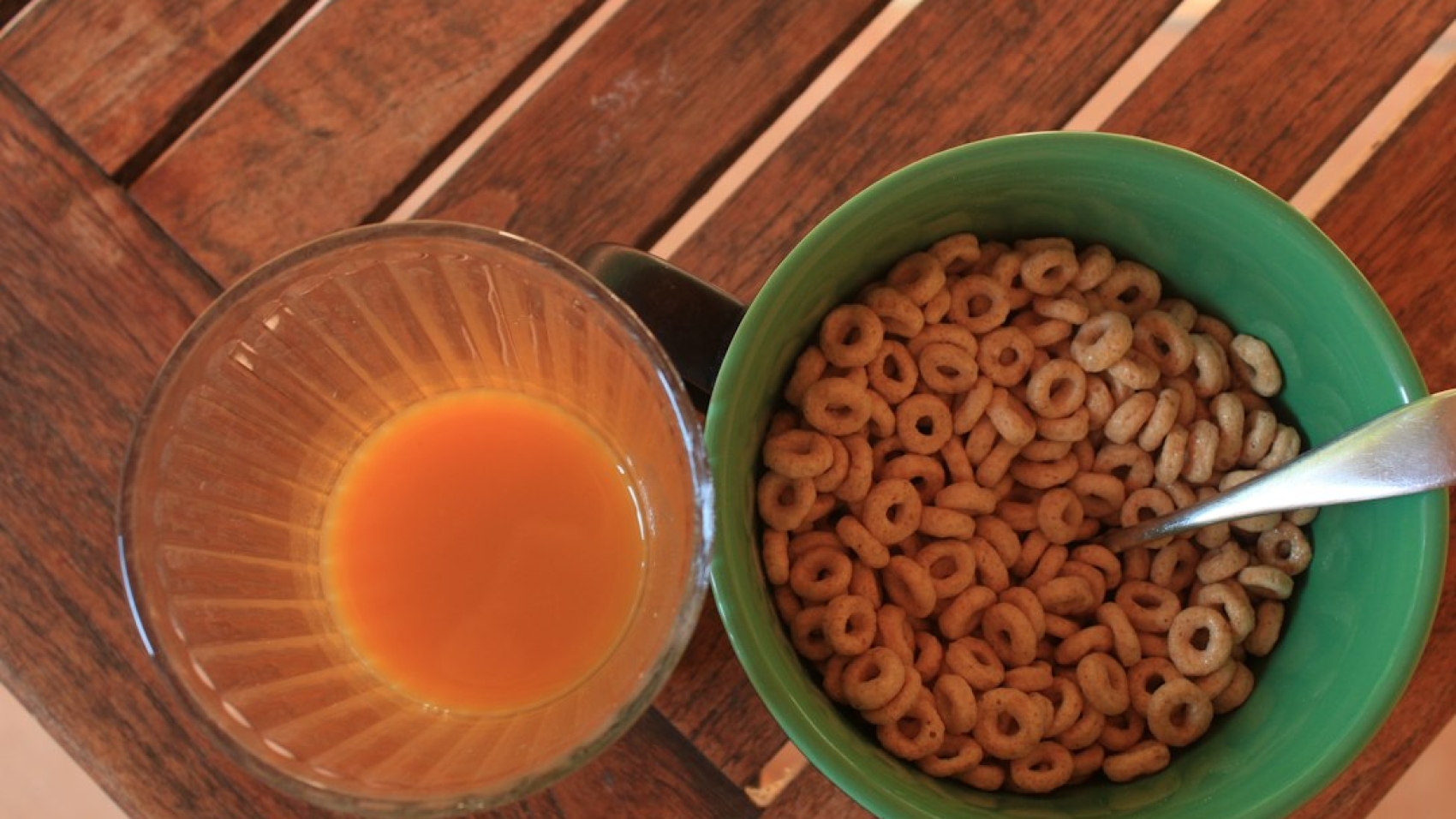
A bowl of breakfast cereal with a glass of orange juice

Top 5 Alternative Healthy Breakfast Recipes 2021

Imagine waking up excited to make breakfast – it is possible! You can fuel your body ready for the day by creating a delicious, healthy bowl of goodness. Chinese herbs are a fantastic ingredient to make an array of unique breakfast dishes, as they contain health boosting properties. Here are our top 5 healthy breakfast recipes which are quick and easy to make:

1) PORRIDGE WITH DRIED ORANGE PEEL (CHEN PI) & DRIED BLACK CARDAMON (YI ZHI REN)

Shop_Now_2_1024x1024.png

Considered the ‘Marmite’ of breakfasts by some, porridge is usually brandished as a ‘Plain Jane’ dish, but here’s how you can transform something bland into a vibrant and colourful breakfast bowl:


Ingredients                                                                                                            

Dried orange peel – 20g

Dried black cardamon – 5g

2 cups of porridge oats

3-4 cups of milk/water (your preference)

Pinch of salt


Quick Prep Instructions (Prep time: 4-5 mins – using microwave)

  • Put 2 cups of porridge oats into a ceramic bowl
  • Pour 3-4 cups of milk/water and sprinkle in a pinch of salt
  • Add the dried orange peel and black cardamon on top of the porridge
  • Place the porridge in the microwave for 3 minutes on the appropriate setting
  • Once this has finished, remove carefully (very hot)
  • For a slightly sweeter palette, add 1 tablespoon of honey
  • Enjoy!


On the Hob Instructions (Prep time: 7-8 mins – using saucepan)

  • Put 2 cups of porridge oats in a saucepan
  • Pour 3-4 cups of milk/water and sprinkle in a pinch salt
  • Boil together for roughly 4-5 minutes, stir throughout so it doesn’t stick to the saucepan
  • Once the porridge has thickened, add the dried orange peel and black cardamon into the pan
  • Mix the ingredients together and then remove the saucepan from the heat
  • Place the porridge into a bowl
  • For a slightly sweeter palette, add 1 tablespoon of honey
  • Enjoy!


What’s special about Orange Peel and Cardamon?

Dried Orange Peel (Chen Pi) is a fantastic herb with some great benefits to aid health & wellbeing. Oranges are renowned for its high vitamin C content, but the peel/skin contains great amounts of provitamin A, riboflavin, thiamine, calcium and vitamin B6.

This herb may also help prevent and manage chronic conditions such as obesity, diabetes and Alzheimer’s disease. Legend has it, the more aged the peel, the more potent its therapeutic energy.

Dried Black Cardamon (Yi Zhi Ren) is a herb design to assist various digestive disorders. If you’ve ever experienced a painful stomach ulcer, this herb is a great way to suppress the discomfort. Whilst maintaining good heart health and aiding bloating/unwanted gas, Black Cardamon is a great differential ingredient to your morning munch.


2) GRANOLA WITH DRIED APRICOT SEEDS (XING REN), DRIED DOGWOOD FRUIT (SHAN YU ROU) & DRIED HAWTHORN BERRIES (SHAN ZHA)

Blog_images_Vita_1024x1024.png

Known as an energy-boosting powerhouse, Granola can be an excellent source of fibre to get your day underway in style! Here’s how to create a delicious granola, packed with flavour for a healthy kick:


Ingredients       

Dried apricot seeds – 10g

Dried dogwood fruit – 10g

Dried hawthorn berries – 10g

Plain rolled oats – 300g

3-4 cups of milk (your preference)

Coconut oil – 1 tsp

Plain honey – 2 tbsp

Vanilla extract – 1 tsp

Pinch of salt


Instructions (Prep time: 5-10 mins)

  • Mix the plain rolled oats and milk together
  • Add the coconut oil, honey, vanilla extract and pinch of salt, then stir
  • Add the dried apricot seeds, dogwood fruit and hawthorn berries into the mixture
  • Place in the microwave for 2 minutes on the appropriate setting
  • Once completed, allow 1 minute to rest
  • Enjoy!


What’s special about Apricot Seeds, Dogwood Fruit and Hawthorn Berries?

Dried Apricot Seeds (Xing Ren) is a great addition to many breakfast dishes, not just granola. They possess a high content of essential fatty acids (omega 6s &3s, vitamin B17), and can assist in fighting heart disease and improving mental health. They are a versatile ingredient as you can eat them in both raw and prepared versions.

Used predominantly in Traditional Chinese Medicine (TCM) as a natural anti-inflammatory, Dried Dogwood Fruit (Shan Yu Rou) is prized for its ability to cleanse the liver and improve energy levels. Taste-wise, they have been considered as a cross between a pumpkin and mango (very vibrant flavours). This herb is commonly used as a base for creating ketchups, frozen yoghurts and other fruity snacks.

Useful in a heart-warming tea in the winter months (there’s another recipe idea), Dried Hawthorn Berries (Shan Zha) have been quoted as an ‘very-ripe apple’ or a ‘cranberry alternative’. Known for their ability to suppress high blood pressure and control cholesterol levels, this medicinal herb has been previously used in raw form to treat boils and sores directly on the skin. Regularly available across Asia, North America and Europe, this berry is a crucial component for a health-boosting breakfast.


3) OATMEAL WITH BIG JUJUBE DATES (DA HONG ZAO), DRIED LONGAN FRUIT (LONG YAN ROU) & DRIED GOJI BERRIES (GOU QI ZI)

Blog_images_Vita_1_1024x1024.png

Known commonly as ‘Oatmeal’ by our friends across the pond, this is a great breakfast idea for those looking to get their health benefits with little culinary expertise required. Here’s how to create our flavoursome herbal oatmeal:


Ingredients       

2 big jujube dates

Dried longan fruit – 10g

Dried goji berries – 10g

Plain rolled oats – 300g

3-4 cups of water/milk (your preference)

Pinch of salt


Instructions for cooking on the hob (Prep time: 5-10 mins)

  • Add a pinch of salt to the water/milk, and bring to the boil over a medium to high heat
  • Stir in the plain rolled oats, then reduce the heat to low
  • Let the mixture simmer for around 5 minutes, allowing the liquid and oat to absorb (stir gently throughout)
  • Add in the big jujube dates, logan fruit and goji berries and mix
  • Once completely mixed, remove from the boil and rest for 1 minute
  • Serve and enjoy!


Instructions for microwaving (Prep time: 2-5 mins)

  • Add a pinch of salt to the water/milk, and stir in the plain rolled oats in a ceramic bowl
  • Mix in the big jujube dates, logan fruit and goji berries
  • Once completely mixed, microwave for 2 and a half minutes
  • Remove from the microwave, rest for 1 minute
  • Enjoy!


What’s special about Jujube Dates, Longan Fruit and Goji Berries?

Big by name and big by nature, the Giant Jujube Dates (Da Hong Zao) can aid weight loss while improving mental health and brain function. Sweet in taste, these juicy dates are a powerful antioxidant which can be used in fruity teas and desserts. Like the more commonly known date, they’re a tasty snack and can be consumed on their own.

High in Vitamin C, the Dried Longan Fruit (Long Yan Rou) has been used as a general tonic to increase energy levels whilst boosting the immune system. Alternatively named as ‘Dragon Eyes’ for its appearance, this fruit can also be eaten as a sweet treat included in desserts and herbal teas.

Possibly the most well-known Chinese herb around, the Dried Goji Berry (Gou Qi Zi) is an excellent ingredient to support health and wellbeing goals. Prized for its versatility, this berry provides immune system support, contains anti-cancerous properties, promotes healthy skin and helps stabilise blood sugar levels. A simple and effective use for the Goji berry is to consume these in their raw form or making a delicious fruity tea.


4) RED BEAN CONGEE – DRIED ADZUKI BEANS (CHI XIAO DOU), DRIED LOTUS SEEDS (BAI LIAN ZI) & ROCK CANDY/SUGAR

Shop_Now_1024x1024.png

For those who prefer the sweeter things in life, and at breakfast time, this is going to be your go-to option. Making this dish is going to require a few extra ingredients, but we promise you it’ll be well worth the work! Ideal for those looking to prepare a large batch of Red Bean Congee for a few days. Here’s how to whip it up:


Ingredients       

Dried adzuki beans – 10g

Dried lotus seeds – 10g

½ cup of sweet rice

½ cup of rock candy/sugar

8 cups of water


Instructions (Prep time: 10 mins – Simmer and Soak time: 4 hours)

  • Wash and drain the red adzuki beans and lotus seeds
  • Bring the 8 cups of water in a large pot to boil
  • Add the red adzuki beans and lotus seeds and mix
  • Simmer for between 2-3 hours, stirring occasionally until the beans start to separate/fall apart
  • Wash the sweet rice and add to the pot, then simmer for another hour while stirring occasionally
  • Once the beans have disintegrated into a soup-like texture, remove from the heat and stir in the rock sugar
  • Let the mixture cool to room temperature, then place in the fridge until fully chilled
  • Once chilled, serve and enjoy!


What’s special about Red Adzuki Beans and Lotus Seeds?

Being known for their rich nutrient content, Dried Adzuki Beans (Chi Xiao Dou) provide you with high levels of protein and manganese. They are beneficial for aiding weight loss, improving digestion health, plus fighting diabetes and heart disease. Easily adaptable to be used as a red paste, this ingredient can be used in several different dishes, such as soups, desserts and as a dim sum filling. In Asian countries, these beans are cooked to make a chocolate-alternative paste which is used to make cakes and desserts (sounds heavenly).

The vitamin kings of the Chinese herbal world, Dried Lotus Seeds (Bai Lian Zi) contain high levels of protein, carbohydrates and vitamins A, B, C and E. You’re able to eat these raw and cooked, they are popular in many medicinal formulas in the East. If we’ve swayed you to try these in another dish, they are a great component for an Asian style soup but remember to remove the shell beforehand!


5) OMELETTE WITH DRIED SHIITAKE WINTER MUSHROOM (DONG GU) / DRIED SHIITAKE FLOWER MUSHROOM (HUA GU) / DRIED SNOW FUNGUS MUSHROOM (MU ER)

Shop_Now_1_1024x1024.png

Now, if you’re more of a protein-packed breakfast lover, you’re in the right place. We’ve got 3 different mushrooms which you can cook as part of this recipe, so the choice is yours. Here’s our spin on this classic ‘gym bunny’ favourite:


Ingredients       

3 beaten eggs

1 tsp sunflower oil

1 tsp butter

Dried mushroom of your choice – 10g

Pinch of salt


Instructions (Prep time: 10 mins)

  • Season the 3 beaten eggs with a pinch of salt
  • Heat the sunflower oil and butter in a frying pan over a medium-low heat until melted
  • Pour the eggs into the pan and allow them to cover the pan surface
  • Cook the mixture for roughly 30 seconds, then make a line in the middle of the mix
  • Repeat once or twice more to allow the egg mixture to set
  • Fill the omelette mix with your choice of dried mushroom (our fave is Snow Fungus)
  • Fold in half gently once the omelette has been filled
  • Remove from the heat once thoroughly cooked
  • Enjoy!


What’s special about Shiitake Winter Mushroom/Shiitake Flower Mushroom/Snow Fungus Mushroom?

We can never get enough of Eastern mushrooms. A study conducted in 2015 found that people who ate an estimated two dried shiitake mushrooms daily for a month had a significant increase in their immune system markers. If you’re still unsure on which mushroom is best suited to create your protein-packed omelette, check out our comparison below:

Type of Mushroom – Health Benefits

Dried Shiitake Winter Mushroom (Dong Gu)

·       Contains anti-cancerous properties

·       Boosts immunity levels

·       Supports heart health


Dried Shiitake Flower Mushroom (Hua Gu)

·       Protects against cell damage

·       Boosts white blood cell production

·       Contains anti-inflammatory properties


Dried Snow Fungus Mushroom (Mu Er)

·       Rich in fibre

·       High in polysaccharides

·       Improves brain, heart and skin health

Now that you’ve got a better idea of which mushroom is best suited for your ultimate omelette, feel free to add any of your other favourite ingredients to boost those flavour combinations. We’re in the mood for food!

For a re-cap of the culinary herbs used in these recipes, click the links below for more information:


Porridge Recipe – Dried Orange Peel (Chen Pi), Dried Black Cardamon (Yi Zhi Ren)

Granola Recipe – Dried Apricot Seeds (Xing Ren), Dried Dogwood Fruit (Shan Yu Rou), Dried Hawthorn Berries (Shan Zha)

Oatmeal Recipe – Giant Jujube Dates (Da Hong Zao), Dried Longan Fruit (Long Yan Rou), Dried Goji Berry (Gou Qi Zi)

Red Bean Congee Recipe –  Dried Adzuki Beans (Chi Xiao Dou), Dried Lotus Seeds (Bai Lian Zi)

Omelette Recipe – Dried Shiitake Winter Mushroom (Dong Gu), Dried Shiitake Flower Mushroom (Hua Gu), Dried Snow Fungus Mushroom (Mu Er)


Now you’re prepared with 5 healthy recipes ideas for breakfast, you can put those herbs to good use and create stunning dishes in the coming weeks. Enjoy experimenting with these traditional ingredients.

Blog_images_Vita_2_1024x1024.png

For any additional recipe ideas using Chinese culinary herbs, click here.
Fei Yan Tea and SlimmingT herbal teas

What’s the Difference between Fei Yan™ Tea & SlimmingT?

Lockdown didn’t do us many favours, let’s be honest.

There were so many great ideas when the pandemic first hit – set up a home gym, train for a marathon, only eat unprocessed foods… 

Well… I’m sure that the majority of these wonderful ideas didn’t quite go exactly to plan.

Don’t worry – we had high hopes for ourselves as well.

Instead, we found external peace on the sofa, binge-watched our favourite shows for hours on end and went up a couple of clothes sizes. 

Fast-forward to the present day, some of you may be in the same boat. 

You’re not happy with your figure, and you want results. Fast.

Here we meet at the natural herbal tea crossroads. 

One path leads to Fei Yan™ Tea. The other leads to SlimmingT.

Both teas known for their ability to help you trim up naturally, but what are the differences between the two?

Let’s uncover the secrets of these powerful herbal teas:

Fei Yan™ Tea

For centuries, Fei Yan™ Tea has been prized for its ability to promote natural weight loss and health-enhancement. 

The secret recipe comes from the original Fei Yan™ Diet Tea blend. 

History

This blend is named after a Chinese Empress of the Han Dynasty – Zhao Fei Yan.

Her slim and fragile figure was sought after by many, who were intrigued to find out her secret formula for slimming success. 

Fei Yan™ directly translates to ‘Flying Sparrow’, which drew the comparisons to the graceful bird. 

The legend says that Zhao Fei Yan™ was ‘as light as a swallow and could dance on another one’s palm’. 

Rumour has it that the Empress maintained her small waistline by drinking her authentic diet Tea daily. 

What Makes this Special?

Due to very high demand for this tea, the market was once saturated with counterfeit products which did not have the same desired weight loss effect.

To ensure the market gets the very best product, we have exclusively partnered with the founder of Fei Yan™ tea and re-branded this for the Western market.

So – next time you see another supposed ‘Fei Yan™ tea’ on the market, just remember where to find the 100% authentic product. 

Fei Yan™ Tea today

Today, Fei Yan™ Tea is one of the most popular herbal weight loss teas consumed across Europe, and for good measure! 

Combining Lotus Leaf, Tangerine Peel, Rhubarb Root, Stevia Leaf and Oolong Tea makes this the ultimate formula to kickstart your weight loss journey.

Being naturally caffeine-free, you can enjoy its delicious taste without getting too much of a ‘buzz’.  

Consuming these powerful Chinese herbs in a beautiful blend of tea can get you back on track with your slimming goals, naturally.

Soon, you’ll be reminiscing to those days on the sofa and wishing you’d discovered this blend sooner!

SlimmingT

This special blend has been formulated to help improve your metabolism, which can contribute to healthy weight loss.

SlimmingT combines Lotus Leaf, Hawthorn Fruit, Luff Cylindrica, Coix Seeds, Astragalus Root, Liquorice Root and Oolong Tea. 

What Makes this Special?

While you might be itching ready to get your hands on some SlimmingT, this blend does promote bowel movements, so make sure you take care when drinking! 

This natural herbal tea possesses a range of health benefits which we could all get behind:

1) Boosts energy & metabolism – helps you discharge fat and toxins

2) Helps burn fat and calories – targets extra fat stored in your body 

3) Treats habitual constipation

4) Helps slim down abdominal area 

5) Calms bloating

6) Contains antioxidants – decreasing the risk of inflammation

7) Supports detoxification – reduces toxins in the body 

Conclusion

Click here to explore the full functional herbal tea range.

If you take regular medication or have a health condition, check with your GP or pharmacist before drinking any herbal tea regularly.

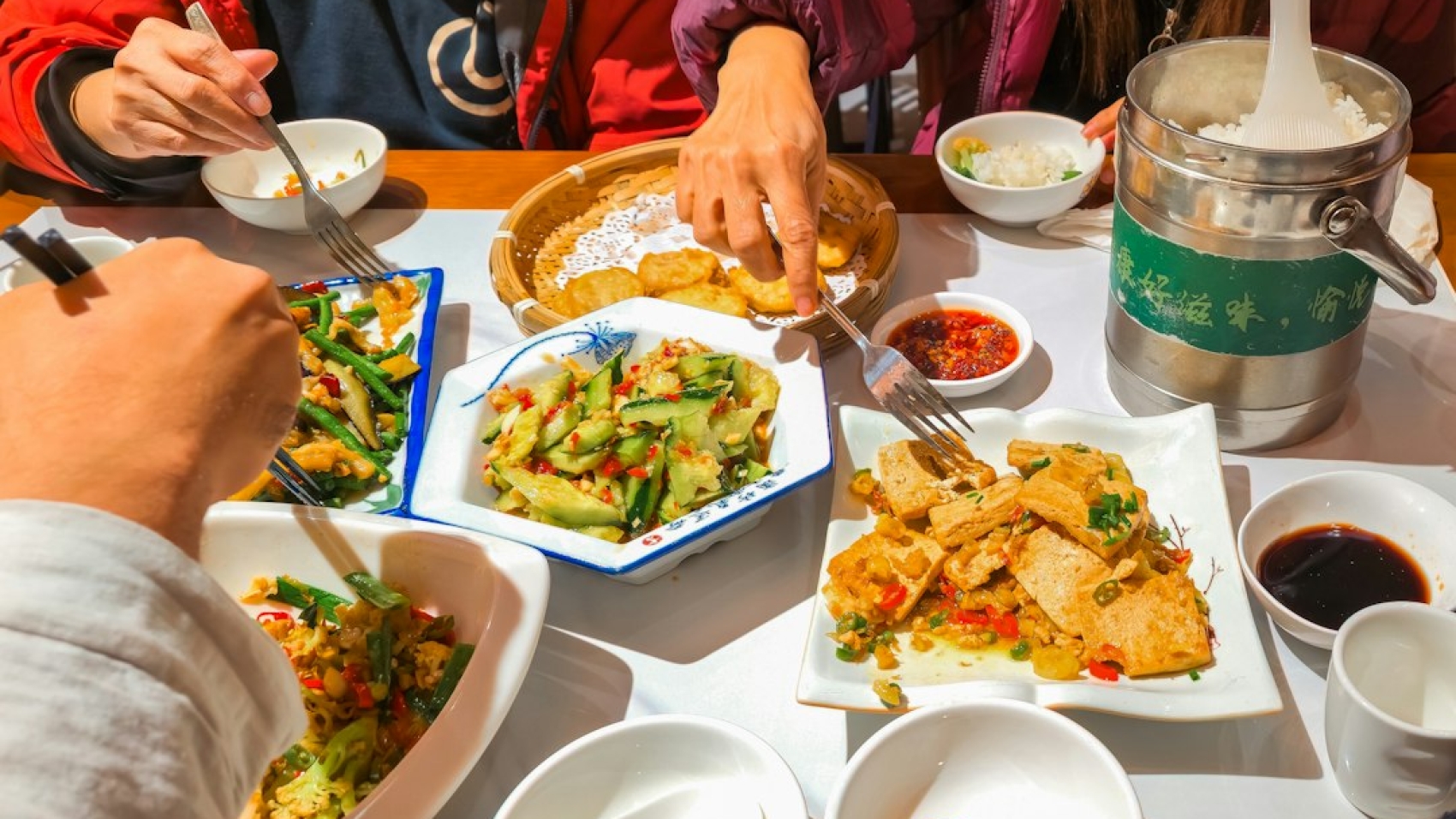
A family style spread of Chinese dishes shared around a table

A Chinese Herbal Feast: Recipes From Breakfast to Dessert Using Traditional Ingredients

Some of our favourite meals aren’t fancy at all. A bowl of soup that’s been bubbling away for an hour, a plate of steamed fish with ginger, a sweet little dessert that tastes of childhood for half the people round the table. Chinese home cooking does this brilliantly, and a lot of the magic comes from a small set of traditional ingredients that are far easier to use than people think.

So we’ve put together a full day of recipes, from breakfast right through to pudding. Each one uses at least one classic Chinese ingredient, like red dates, ginger, goji berries or dried mushrooms. Cook one, cook the lot, or pick and mix for a weekend feast with friends. Nothing here needs special equipment beyond a decent pan, and a steamer if you have one.

Key takeaways

  • Five recipes covering a whole day: red date pancakes, chicken and mushroom soup, steamed ginger fish, garlicky greens and a sweet snow fungus dessert.
  • Most of the special ingredients keep for months, so one trip to an Asian supermarket sets you up.
  • Soak dried fungus in the fridge if it needs more than a couple of hours, and cool leftover rice quickly.
  • These are everyday dishes to enjoy, not remedies.

A quick word on food as balance

In traditional Chinese food culture, a good meal is about balance. Something warming next to something cooling. A rich dish beside a light one. Ginger with fish, sweet dates in a savoury soup. You don’t need to sign up to any particular philosophy to enjoy that. It just happens to make for really satisfying eating.

We’d gently push back on one thing, though. You’ll see plenty of websites promising that a certain soup will fix your sleep or cure your cough. That’s not something we’d claim, and the evidence isn’t there. Cook these because they’re delicious and because sitting down to a shared meal is good for you in all the ordinary ways. If you’re curious about the deeper side of Chinese herbal medicine, that’s a proper area of study, and the Phoenix Academy of Acupuncture and Herbal Medicine is where our colleagues teach it.

Breakfast: red date pancakes

In much of China, sweet pancakes filled with red bean or date paste are eaten as a snack or dessert. We think they make a cracking weekend breakfast, and we’re not sorry about breaking the rules. These are thin and slightly chewy, more crepe than fluffy American stack.

You’ll need (makes about 6)

  • 250g plain flour
  • About 180ml just boiled water
  • 2 tbsp sesame oil, plus a little vegetable oil for frying
  • 150g red dates (dried jujubes), stoned
  • 1 tbsp sugar or honey, optional

Method

Start with the filling. Simmer the stoned dates in a small pan with just enough water to cover for 15 to 20 minutes until they’re very soft. Drain, keeping a splash of the liquid, then mash or blitz them into a thick paste. Taste it. Red dates are already sweet, so you may not need any sugar at all.

For the dough, put the flour in a bowl and slowly stir in the hot water with chopsticks or a fork until you get shaggy crumbs. Once it’s cool enough to handle, knead it for a few minutes until smooth. Cover and rest it for 20 minutes. Don’t skip the rest. It’s what makes the dough easy to roll.

Divide into six balls. Roll each into a thin circle, brush with a little sesame oil, spread a spoonful of date paste over half and fold it over, pressing the edges. Roll it flat again gently. Fry in a lightly oiled pan over a medium heat for two or three minutes a side until golden and blistered. Cut into wedges and eat warm.

Fair warning, they disappear fast. Want to know more about red dates themselves? We cover them in our guide to Chinese kitchen herbs.

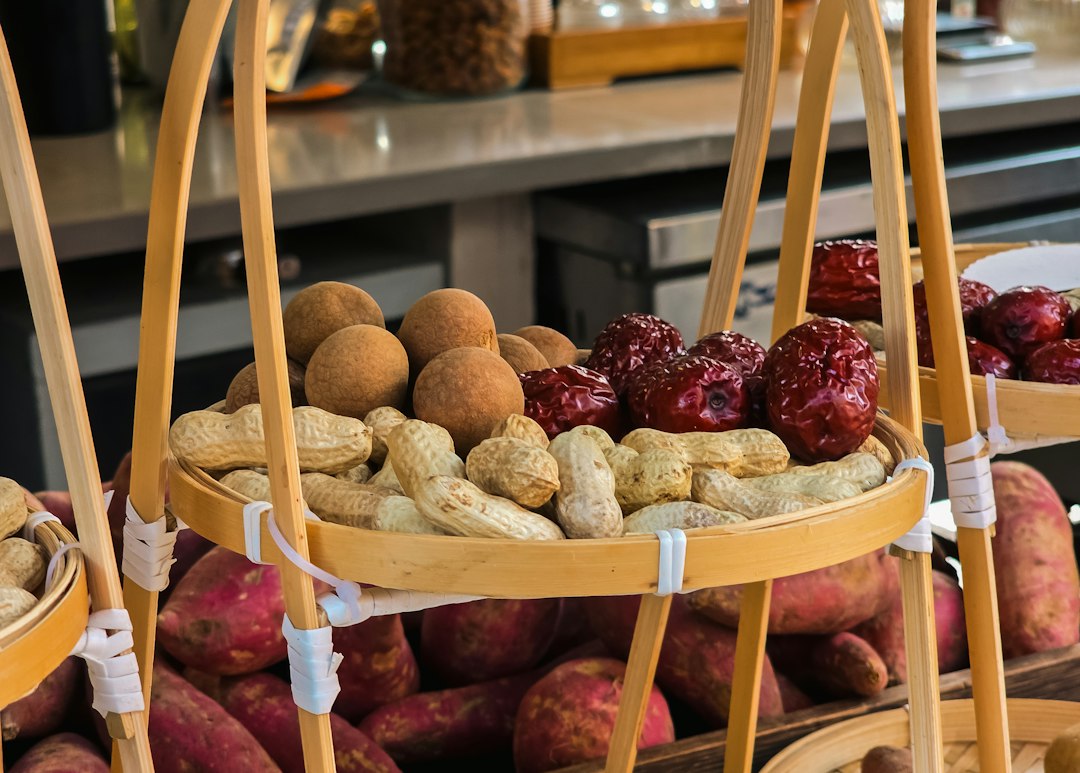
Dried jujube dates and longans, two sweet ingredients in Chinese cooking
Red dates and longans turn up in breakfasts, soups and puddings right across China.

Lunch: chicken, shiitake and goji soup

This is the kind of soup that feels like a hug. Clear, golden broth, tender chicken and deep, savoury mushrooms with a hint of sweetness from the dates and goji berries.

You’ll need (serves 4)

  • 4 chicken thighs on the bone, skin removed
  • 6 to 8 dried shiitake mushrooms
  • A thumb sized piece of ginger, sliced
  • 4 red dates, slit open
  • 1 tbsp goji berries
  • 1.5 litres water, salt to taste, and a spring onion to finish

Method

Rinse the shiitake and soak them in cold water in the fridge for a couple of hours, or overnight if you’re organised. Keep the soaking water, since it’s full of flavour, but pour it off carefully and leave any grit behind.

Put the chicken in a pan of cold water, bring it to the boil and simmer for two minutes, then tip the water away and rinse the chicken. This little step gives you a much clearer broth. Return the chicken to a clean pan with the 1.5 litres of water, the mushroom soaking liquid, the ginger and the dates. Bring to the boil, then turn it right down and simmer gently for about an hour.

Slice the mushrooms and add them for the last 30 minutes, then the goji berries for the final ten. Season with salt, scatter over spring onion and serve. If you fancy, pull the chicken off the bone and add some noodles to make it a full meal. For more about shiitake, have a look at our shiitake guide.

Dinner: steamed fish with ginger and spring onion

If there’s one Chinese dish everyone should know how to make, it’s this one. It takes about fifteen minutes and it’s the most elegant thing you’ll cook all week.

You’ll need (serves 2)

  • 2 white fish fillets, such as sea bass or cod, or one small whole sea bass
  • A thumb of ginger, cut into very fine matchsticks
  • 3 spring onions, cut into fine strips
  • 2 tbsp light soy sauce mixed with 1 tbsp water and a pinch of sugar
  • 2 tbsp neutral oil

Method

Lay the fish on a heatproof plate and scatter over half the ginger. Steam over boiling water for about 8 to 10 minutes for fillets, a bit longer for a whole fish, until the flesh flakes easily and looks opaque all the way through. Carefully pour off any liquid on the plate (it can taste a bit fishy).

Pile the rest of the ginger and the spring onion on top. Heat the oil in a small pan until it’s shimmering, then pour it straight over the ginger and onion. It’ll sizzle loudly. That’s what you want. Spoon the soy mixture around the fish and serve right away with rice.

On the side: garlicky greens

Every Chinese meal needs something green. Heat a little oil in a wok, add two sliced garlic cloves and let them sizzle for a few seconds, then toss in a couple of heads of pak choi, halved, or a big bag of spinach. Stir fry for a minute or two with a splash of water and a little soy or oyster sauce. That’s it. Easy.

Make it a party: dumplings

If you’re feeding a crowd, there’s nothing quite like making dumplings together. Everyone gets a job, someone gets competitive about their pleats, and the wonky ones taste just as good. A simple filling of pork mince, finely chopped Chinese cabbage, ginger, spring onion and a splash of soy and sesame oil is hard to beat. Shop bought wrappers are absolutely fine.

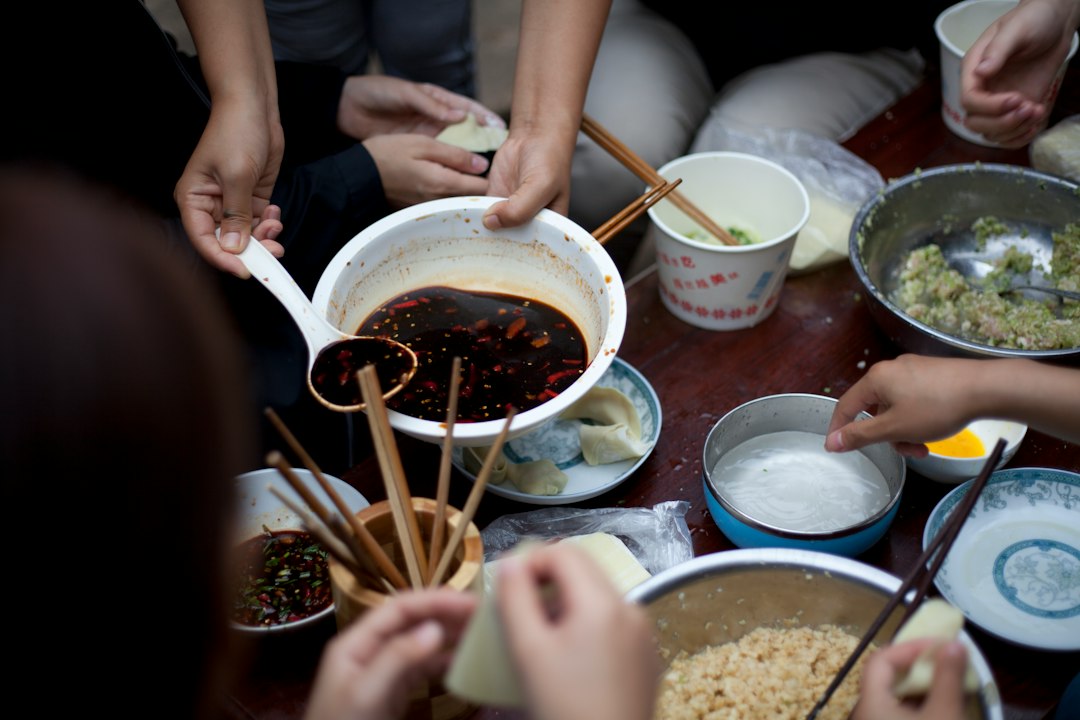
People making traditional Chinese dumplings together by hand
Dumpling making is half the fun. Nobody minds if the pleats aren’t perfect.

For the dipping sauce, mix black vinegar with a little soy sauce, a few fine shreds of fresh ginger and some chilli oil if you like it hot. Boil the dumplings until they float and the filling is piping hot all the way through, then serve straight away.

Dessert: snow fungus soup with red dates and lotus seeds

Snow fungus (also called white fungus or silver ear) is a frilly, pale fungus that goes soft and slightly jelly like when cooked. It doesn’t taste of much on its own, but in a sweet soup with red dates and lotus seeds it becomes something really special. It’s served warm in winter and chilled in summer.

You’ll need (serves 4)

  • 1 small dried snow fungus (about 15g)
  • 30g dried lotus seeds, with any green centres removed
  • 6 red dates, slit open
  • 1 tbsp goji berries
  • 1.2 litres water
  • Rock sugar or honey, to taste

Method

Soak the snow fungus and lotus seeds in cold water in the fridge for about two hours. The fungus will swell up into a big, soft flower shape. Trim off the hard yellowish base and tear the rest into small pieces.

Put the fungus, lotus seeds and dates in a pan with the water. Bring to the boil, then simmer gently with the lid partly on for 45 minutes to an hour, until the lotus seeds are soft and the liquid has thickened slightly. Add the goji berries and sweeten to taste in the last five minutes. Serve warm, or cool it quickly and chill it in the fridge.

A soaking note that really matters

Please don’t leave snow fungus or wood ear soaking on the worktop all day. Hong Kong’s Centre for Food Safety has written about bongkrekic acid, a rare but dangerous toxin that has been linked to soaked fungus and wet rice noodles left at room temperature for a long time. It’s very uncommon, but cooking doesn’t destroy it, so prevention is the only real protection. Soak in the fridge, soak only what you need and cook it promptly. Bin anything slimy or sour smelling.

Planning your feast

CourseDishMake ahead?
BreakfastRed date pancakesDate paste keeps in the fridge for 3 days
LunchChicken, shiitake and goji soupYes, it tastes even better next day
DinnerSteamed ginger fishNo, cook it just before eating
PartyDumplingsFreeze them uncooked on a tray
DessertSnow fungus soupYes, serve it chilled

Leftovers and food safety

Cooked rice is one to be careful with. Cool any leftovers quickly, get them in the fridge within an hour or so, and eat them within a day. When you reheat rice, make sure it’s steaming hot all the way through, and only reheat it once. Soups and stews follow the same idea. Cool them fast, chill them and reheat until piping hot.

When to check with a professional

These recipes use everyday Chinese ingredients in normal food amounts. A few situations are worth a quick chat with your GP or pharmacist.

  • You take warfarin or another blood thinner. Goji berries in particular have been linked to changes in blood clotting results in a handful of case reports.
  • You’re pregnant and thinking of eating herbal soups in large amounts every day.
  • You have a food allergy, coeliac disease or another condition that affects what you can eat.
  • You get vomiting, stomach pain or diarrhoea after a meal. Call NHS 111 for advice, or 999 in an emergency.

Frequently asked questions

Where can I buy red dates, snow fungus and lotus seeds?

Any Asian supermarket should stock them all, usually in the dried goods aisle. They’re also easy to find online, and a bag goes a long way.

Can I make these recipes vegetarian?

Yes, mostly. Swap the chicken soup for a broth made with shiitake, ginger and plenty of veg. Use firm tofu in place of fish, and fill the dumplings with mushrooms, cabbage and tofu.

Is snow fungus the same as wood ear?

They’re related but different. Snow fungus is pale and goes soft and jelly like, so it suits sweet soups. Wood ear is dark and stays crunchy, which is why it turns up in stir fries and salads.

How long do the dried ingredients keep?

Months, if they’re in an airtight jar somewhere cool and dry. Check the best before date, and bin anything that smells musty or shows any mould.

Can kids eat these dishes?

Generally, yes. Take the stones out of red dates, check fish carefully for bones and cut things small for little ones. And skip honey for babies under one.

Are these dishes good for my health?

They’re balanced, home cooked meals with plenty of veg, lean protein and not much sugar, which is a good thing. We wouldn’t claim any of them treat or prevent illness, though.

Just so we’re clear, these are recipes and general food info, not medical advice. If you’ve got a health condition or take medication, your GP or pharmacist knows your situation best.

Sources